
 Rated 4.9 (974) Reviews
Slab Leak Repair in Northern Virginia: What to Expect and How Much It Costs
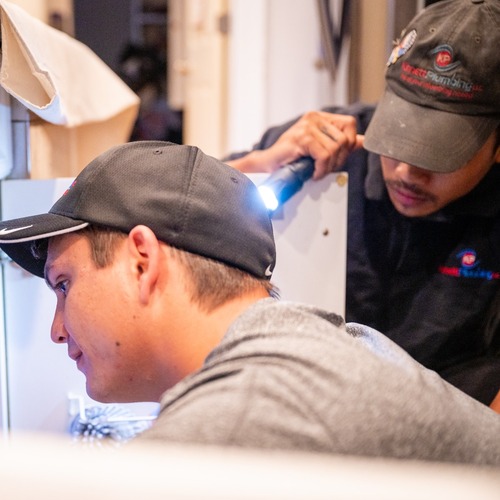
When you need slab leak repair in Northern Virginia, the first thing to remember is that the problem is fixable. A leak beneath a concrete foundation sounds intimidating, but an experienced plumber can locate the damaged pipe, explain the available repair methods, and help you choose a practical solution. The important part is acting quickly. Water leaking under your home can increase your utility bills, damage flooring, encourage mold growth, and weaken nearby building materials.
Think of a slab leak like a loose hose hidden beneath a heavy workbench. You may not be able to see the hose, but you can spot the effects of the escaping water. The floor may feel warm, your water bill may rise, or you may hear water running when every faucet is turned off. A plumber uses specialized tools to trace the problem before deciding how to reach and repair the pipe.
What Is a Slab Leak?
Many homes are built on concrete slab foundations. Water supply lines and other plumbing pipes may run beneath or through that concrete. A slab leak occurs when one of those pipes cracks, develops a pinhole, separates at a connection, or otherwise begins releasing water below the foundation.
Both hot-water and cold-water lines can leak. Hot-water slab leaks are sometimes easier to notice because they may create an unusually warm area on the floor. Cold-water leaks can be less obvious and may continue for a long time before visible damage appears.
Common causes of slab leaks include:
- Aging or corroded pipes
- Excessively high water pressure
- Soil movement beneath the home
- Normal expansion and contraction of pipes
- Improper installation
- Abrasion caused by a pipe rubbing against concrete or another pipe
- Damage from long-term vibration
- Shifting or settling of the foundation
A slab leak does not automatically mean your foundation is failing. In many cases, the problem is limited to a damaged plumbing line. However, the longer water is allowed to escape, the greater the chance of damage to flooring, walls, cabinets, and other parts of the home.
Warning Signs of a Slab Leak
Slab leaks rarely announce themselves with one unmistakable sign. Instead, homeowners often notice several small clues that do not seem connected at first.
Watch for the following warning signs:
- A sudden or unexplained increase in your water bill
- The sound of running water when fixtures are off
- Warm or damp areas on the floor
- Cracked, warped, or discolored flooring
- Musty odors
- Mildew or mold near the bottom of walls
- Low water pressure
- Water collecting near the foundation
- A water meter that continues moving when no water is being used
- Cracks developing in walls or flooring
A higher water bill is especially important. Water rates can change, and household use can vary, but a large unexplained jump deserves attention. Turn off faucets, washing machines, dishwashers, ice makers, and other water-using appliances. Then look at your water meter. If it continues to register water use, you may have a hidden leak.
Do not start breaking through the flooring based on a guess. Slab leak detection should come before demolition. Accurate testing can reduce unnecessary damage and help the plumber select the least disruptive repair method.
What Happens During Slab Leak Detection?
The first service visit normally begins with questions. The plumber may ask when you noticed the problem, whether the water bill has increased, which rooms seem affected, and whether you have experienced previous leaks.
Next, the plumber may inspect exposed plumbing, flooring, walls, the water heater, and the area around the foundation. Depending on the situation, leak detection may involve:
- Water pressure testing
- Electronic listening equipment
- Thermal imaging
- Moisture meters
- Line isolation tests
- Video inspection equipment
- Inspection of the water meter
- Testing individual plumbing zones
Electronic listening equipment can help identify the sound created by pressurized water escaping from a pipe. Thermal imaging may reveal temperature differences associated with a hot-water leak. Moisture meters can identify damp areas that are not yet visible.
No single tool solves every case. A good diagnosis combines equipment readings with the plumber’s training and experience. The goal is to narrow the leak to the smallest practical area before recommending a repair.
What to Expect During Slab Leak Repair
After locating the leak, the plumber should explain what failed, where the problem is located, and which repair options make sense. There are several ways to repair a slab leak, and the best method depends on the location of the damaged pipe, the age of the plumbing system, and the condition of nearby lines.
Direct Access or Spot Repair
A direct-access repair involves opening the floor and concrete above the damaged section. The plumber removes enough material to reach the pipe, cuts out the failed section, installs new piping, and tests the repair.
This approach may be appropriate when:
- The leak location is precise
- The damaged area is easy to reach
- The surrounding pipe is in good condition
- Only one isolated section has failed
- The flooring can be removed and restored reasonably
Spot repair can be effective, but it is not always the least expensive choice once flooring and concrete restoration are included. A leak under a utility room floor may be fairly manageable. A leak under custom cabinets, stone flooring, or a finished living area may require more extensive restoration.
Pipe Rerouting
Rerouting means abandoning the leaking section and installing a new pipe along a different path. The new line may run through walls, ceilings, an attic, or another accessible area rather than beneath the slab.
Rerouting may be recommended when:
- The leak is difficult to access
- Opening the slab would damage expensive finishes
- The existing underground route is no longer practical
- The pipe has multiple weak areas
- A new route offers a more dependable long-term solution
Rerouting may sound like a larger project, but it can reduce concrete demolition and make future access easier.
Pipe Lining
In some situations, a damaged pipe can be repaired from the inside with an epoxy lining. The line is cleaned and dried before a coating is applied to seal small cracks or pinhole leaks.
Pipe lining is not appropriate for every plumbing system. A collapsed, badly corroded, or separated pipe may need to be replaced instead. Your plumber should inspect the line and explain whether lining is suitable for its size, material, and condition.
Partial or Whole-House Repiping
One slab leak does not always mean the entire house needs new plumbing. However, repeated leaks in older pipes may signal a system-wide problem. Repairing one weak section at a time can become frustrating and expensive.
A partial or whole-house repipe may be worth discussing when:
- The home has experienced several leaks
- The pipes are near the end of their expected service life
- Corrosion is visible in multiple areas
- Water quality has deteriorated
- Water pressure is inconsistent
- Several lines run beneath the slab
- The cost of repeated repairs is approaching the cost of replacement
Repiping is a significant project, but it may provide better long-term value when the existing system has widespread deterioration.
How Much Does Slab Leak Repair Cost in Northern Virginia?
Slab leak repair prices vary widely because the phrase “slab leak repair” can describe anything from sealing a small section of pipe to rerouting multiple water lines.
Recent national cost guides place many slab leak repairs between approximately $630 and $4,400, with average projects around $2,300. Other published estimates place direct foundation access and pipe replacement between roughly $700 and $5,000, while more extensive rerouting or repiping can cost considerably more.
For planning purposes, homeowners may encounter costs such as:
- Leak detection and diagnostic testing
- Opening walls, floors, or concrete
- Repairing or replacing the damaged pipe
- Rerouting a water line
- Pressure testing the completed work
- Concrete patching
- Flooring replacement
- Drywall repair and painting
- Cabinet removal or reinstallation
- Water extraction and drying
- Mold remediation when needed
A relatively accessible leak with limited damage may stay near the lower end of the range. A leak under finished flooring, built-in cabinetry, or a difficult part of the foundation can cost more. Whole-house repiping may reach several thousand dollars because it involves installing multiple new supply lines rather than repairing one isolated section.
Northern Virginia labor rates, home layouts, permit requirements, and building materials can also influence pricing. The only dependable way to know the cost for your property is to have the plumbing system inspected and receive a written estimate based on the actual repair plan.
What Factors Affect the Final Price?
The Location of the Leak
A pipe beneath an open utility area is usually easier to reach than one beneath a kitchen island, bathroom tile, staircase, or load-bearing wall. Difficult access increases labor and restoration costs.
The Repair Method
Direct repair, rerouting, pipe lining, and repiping involve different materials and labor. The lowest initial estimate is not always the best long-term choice. Ask how likely the surrounding pipe is to develop another leak.
Pipe Material and Condition
Copper, PEX, CPVC, and other materials require different repair techniques. Severe corrosion or multiple weak sections can turn a small repair into a larger replacement project.
Flooring and Interior Finishes
Concrete repair may represent only part of the total. Hardwood, tile, carpet, cabinets, drywall, and paint may need to be removed or restored.
Water Damage
Standing water can damage baseboards, insulation, drywall, flooring, furniture, and stored belongings. Drying and restoration may be necessary in addition to plumbing work.
Emergency Timing
An active leak cannot always wait until regular business hours. Emergency service may cost more, but quickly stopping the water can prevent a much larger damage bill.
How Long Does Slab Leak Repair Take?
A straightforward spot repair may be completed in a day once the leak is located and the work area is prepared. Rerouting may take one or more days, depending on the length of the new line and the number of walls or ceilings involved.
Repiping and extensive restoration can take longer. Your plumber should explain the expected schedule, which rooms will be affected, when the water must be turned off, and whether separate flooring or drywall contractors will be needed.
Leak detection is sometimes completed during the initial appointment, but difficult cases may require additional testing. Taking the time to locate the leak accurately is better than opening several areas based on guesswork.
What Should You Do While Waiting for a Plumber?
When you suspect an active slab leak, take simple steps to limit the damage:
- Shut off the main water supply if water is actively spreading.
- Turn off the water heater if the hot-water system is involved.
- Move furniture, rugs, boxes, and valuables away from damp areas.
- Avoid using electrical devices near standing water.
- Take photographs of visible damage.
- Record unusual water-meter activity.
- Contact a plumber as soon as possible.
- Notify your insurance company when significant damage has occurred.
Do not pour leak-sealing chemicals into your plumbing system unless a qualified plumber specifically recommends them. These products may not reach the damaged area and can complicate professional repairs.
Will Homeowners Insurance Cover a Slab Leak?
Coverage depends on the policy and the cause of the damage. Some homeowners’ insurance policies may cover sudden water damage to flooring, drywall, cabinets, or personal belongings. They may also cover some of the work required to access a leaking pipe.
However, the policy may not pay for the failed pipe itself. Damage caused by long-term neglect, gradual corrosion, poor maintenance, or an excluded foundation issue may not be covered.
Contact your insurance company promptly, document the damage, and ask for a clear explanation of:
- Access coverage
- Pipe repair coverage
- Water-damage restoration
- Mold limits
- Deductibles
- Required documentation
- Contractor estimate requirements
Your plumber can document the leak location and recommended repair, but the insurance company determines coverage.
How Can You Reduce the Risk of Another Slab Leak?
Not every leak is preventable, but basic maintenance can reduce stress on your plumbing system.
Have your water pressure checked, especially if faucets bang, fixtures fail frequently, or supply lines seem to wear out quickly. Excessively high pressure places unnecessary force on pipes, valves, water heaters, and appliance connections.
Pay attention to your water bill and inspect exposed plumbing regularly. Small changes are easier to address before they become major emergencies. If your home has experienced repeated pinhole leaks, ask whether water chemistry, pipe age, electrical grounding, or high pressure could be contributing to the problem.
Most importantly, do not ignore early warning signs. Quick leak detection can mean the difference between a contained plumbing repair and a larger flooring and water-damage project.
Frequently Asked Questions
Is a slab leak an emergency?
It can be. Shut off the main water supply and call a plumber promptly if water is spreading, flooring is lifting, pressure has dropped suddenly, or you hear continuous running water.
Can a slab leak damage the foundation?
Yes. Long-term moisture can wash away supporting soil, contribute to movement, and damage nearby materials. Fast repair helps limit the risk.
Can I repair a slab leak myself?
Slab leak diagnosis and repair require specialized equipment and plumbing knowledge. A do-it-yourself attempt may damage flooring or concrete without reaching the actual leak.
Does every slab leak require breaking concrete?
No. Some leaks can be addressed through pipe rerouting or, in suitable cases, internal pipe lining. The best method depends on the pipe’s location and condition.
How do plumbers find a leak under concrete?
Plumbers may use pressure testing, electronic listening equipment, thermal imaging, moisture meters, and line-isolation tests to narrow down the location.
Why is part of my floor warm?
An unexplained warm area may indicate a leaking hot-water line beneath the slab. It can also have other causes, so professional testing is recommended.
Will the water need to be shut off?
Usually, yes. The plumber may shut off the entire home or isolate one part of the system. Ask how long the interruption is expected to last.
Is one slab leak a sign that I need repiping?
Not necessarily. One isolated failure may only require a local repair. Repeated leaks or widespread corrosion may make repiping more practical.
How can I tell whether the estimate includes restoration?
Ask for an itemized written estimate. Confirm whether concrete, flooring, drywall, paint, cabinets, cleanup, and permits are included or handled separately.
How quickly should I schedule service?
Schedule an inspection as soon as you notice warning signs. Hidden leaks usually become more expensive, not less expensive, when left alone.
Call Kinnett Plumbing for Slab Leak and Emergency Plumbing Service
A suspected slab leak is not a problem to put on next month’s list. The sooner the leak is located, the sooner you can protect your flooring, foundation, plumbing system, and belongings.
We provide professional slab leak repair and leak detection for homeowners in Northern Virginia, including Woodbridge, Manassas, Dale City, Lake Ridge, Centreville, Montclair, McLean, Reston, and surrounding communities. We also offer 24/7 emergency plumbing service for urgent problems such as burst pipes, severe leaks, overflowing toilets, backed-up drains, and failing water heaters.
When a plumbing emergency strikes, fast action matters. Our team arrives prepared to diagnose the issue, explain the repair options, and work toward a dependable solution. You receive experienced service, straightforward communication, and honest pricing during a situation that can otherwise feel overwhelming.
Contact us today to schedule slab leak detection, request a repair estimate, or get immediate help with a plumbing emergency in Woodbridge or the surrounding Northern Virginia area.







 Jennifer Bishop