
 Rated 4.9 (974) Reviews
How to Winterize Pipes in Northern Virginia Before the First Freeze
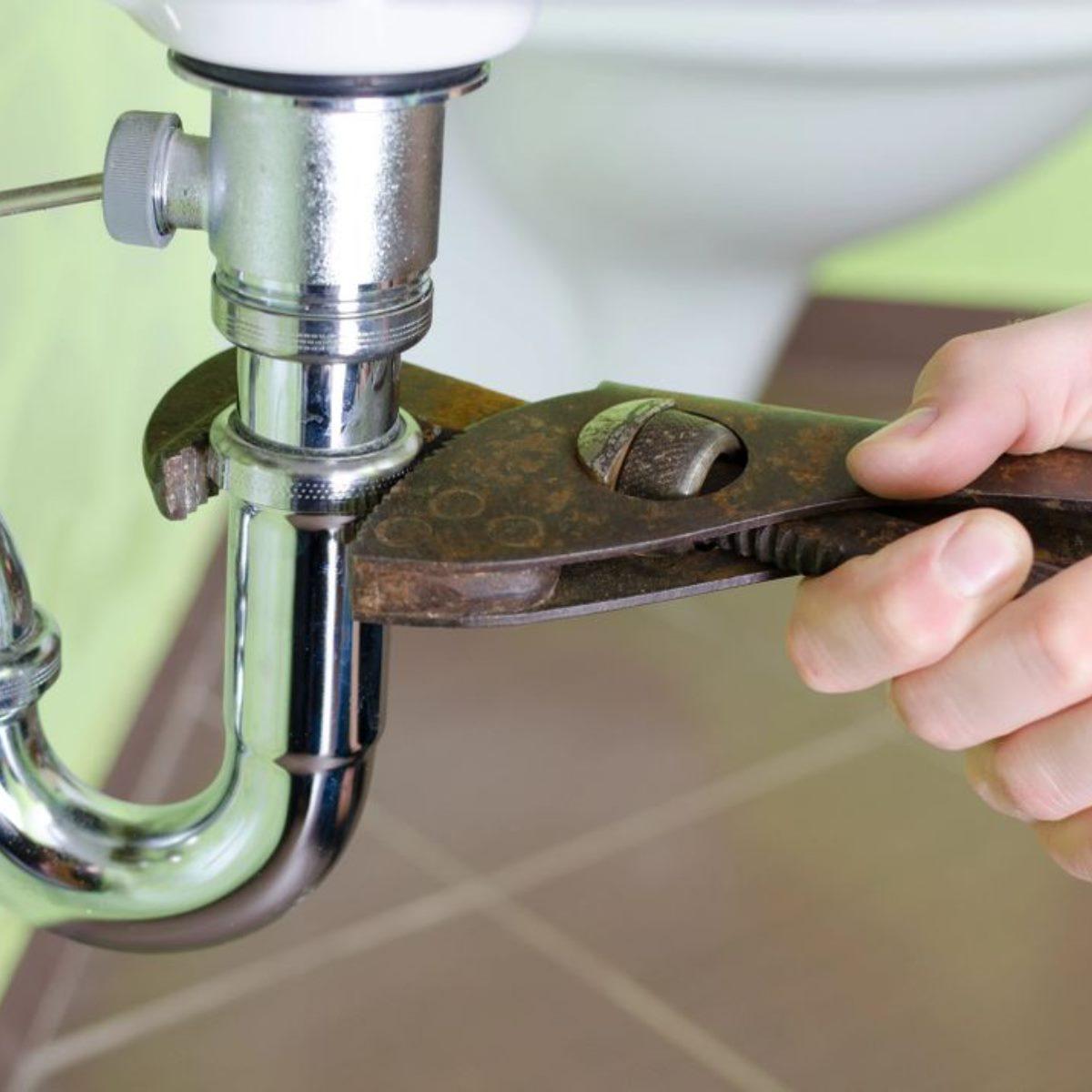
To winterize pipes in Virginia, insulate exposed supply lines in crawlspaces, attics, and exterior walls, shut off and drain outdoor spigots, seal cold-air leaks near plumbing, and keep the heat at a steady temperature all winter. Finishing these steps before the first overnight freeze keeps water inside the lines from turning to ice, expanding, and splitting the pipe.
| Task | Where | When |
|---|---|---|
| Insulate exposed pipes | Crawlspaces, attics, unheated basements, garages, exterior walls | Before cold weather sets in |
| Disconnect hoses and drain spigots | Every outdoor faucet and its indoor shutoff valve | Once outdoor watering is done for the year |
| Seal cold-air leaks | Pipe penetrations, crawlspace vents and doors, rim joists | Before cold weather sets in |
| Locate the main water shutoff | Where the main line enters the home | Before the first freeze |
| Hold a steady indoor temperature | Whole house, day and night | All winter |
| Drip vulnerable faucets and open cabinets | Fixtures on exterior walls or fed by exposed pipes | When freezing temperatures are forecast |
Why Do Pipes Need Winterizing in Northern Virginia?
Pipes in Northern Virginia need winterizing because the region gets enough overnight freezes to split unprotected lines, even though winters here are milder than in northern states. Mild stretches make it easy to skip preparation, and a sudden cold snap then catches exposed plumbing unprotected.
Many homes in Manassas, Woodbridge, and the surrounding counties have supply lines running through crawlspaces, unfinished basements, garages, or exterior walls. When water in one of those lines freezes, it expands and forms an ice blockage. Pressure then builds in the water trapped between the ice and the closed faucet until the weakest point in the pipe gives way, and the leak often goes unnoticed until the line thaws and water starts flowing.
Which Pipes Are Most Likely to Freeze?
The pipes most likely to freeze are the ones exposed to outdoor air or running through unheated parts of the home. Check these locations first:
- Outdoor hose bibs and the short supply line behind each one.
- Irrigation and sprinkler supply lines.
- Pipes in crawlspaces, unheated basements, attics, and garages.
- Supply lines under kitchen and bathroom sinks on exterior walls.
- Pipes running along exterior walls with little or no insulation.
How Do I Insulate Exposed Pipes?
Insulating exposed pipes means wrapping every accessible supply line in an unheated space with foam pipe sleeves or another pipe insulation product, so the water inside holds heat longer during overnight freezes. Virginia Beach Public Utilities recommends insulating exposed pipes in crawlspaces, attics, and outside walls with materials such as foam tubing or heat tape.
- Measure the pipe. Foam sleeves are sold by pipe size, and a loose sleeve loses much of its insulating value.
- Clean and dry the surface. Moisture trapped under insulation speeds corrosion.
- Fit the sleeve. Slide the pre-slit sleeve over the pipe and press the seam closed, covering elbows, tees, and joints with no gaps.
- Secure it. Tape the seams and ends at regular intervals, especially at joints where sleeves tend to separate.
Insulate both hot and cold lines in unheated areas. If you use heat tape or heat cable, choose a product made for water pipes and follow the manufacturer’s installation instructions exactly.
Insulation is also a good time to look closely at the pipes themselves. Green or white crust at joints, rust, or damp spots under a line point to a slow leak, and those pipes should go to Kinnett Plumbing for leak repair before they are wrapped and hidden for the winter.
How Do I Winterize Outdoor Spigots?
Winterizing an outdoor spigot means removing the hose, shutting off the faucet’s indoor supply valve, and draining the water left in the line. A hose left attached traps water in the faucet body, where it can freeze and push pressure back into the supply line inside the wall.
- Disconnect every garden hose, drain it, and store it in a garage or shed.
- Find the indoor shutoff valve for each outdoor faucet, usually on the inside of the wall the spigot exits, in a basement, crawlspace, or utility area, and close it.
- Open the outdoor faucet to drain the remaining water, then leave it open so any leftover drops have room to expand.
- Cover each spigot with an insulated faucet cover.
If an outdoor faucet has no separate indoor shutoff, or the shutoff won’t close fully, the spigot is a weak point worth having a plumber look at before temperatures drop.
How Do I Seal Drafts Near Plumbing?
Sealing drafts near plumbing keeps outside air from chilling pipes that otherwise sit inside the heated envelope of the home. A pipe next to an unsealed crawlspace vent or a gap around a wall penetration can freeze even when the thermostat upstairs reads comfortably warm.
- Seal gaps where pipes, cables, and dryer vents pass through exterior walls with caulk or expanding foam.
- Close or cover crawlspace vents for the winter and make sure crawlspace access doors fit tightly.
- Keep garage doors closed when water supply lines run through the garage.
- Check the rim joist area of the basement for daylight or moving air near plumbing.
What Temperature Should I Keep My House at in Winter?
Keep your thermostat at the same temperature day and night during freezing weather, and never set it below 55°F, even when you travel. Lowering the heat overnight saves a little on energy, but the coldest hours of the night are exactly when pipes in exterior walls are most at risk.
On the coldest nights, open kitchen and bathroom cabinet doors on exterior walls so warm room air reaches the supply lines under the sink. If you will be away for an extended stretch, consider shutting off and draining the water system before you leave, keeping in mind that shutting off the water can also disable a home fire sprinkler system.
When Should I Let Faucets Drip?
Let faucets drip when freezing temperatures are forecast, focusing on fixtures fed by pipes in exterior walls, crawlspaces, or other unheated areas. Moving water is less likely to freeze, and an open faucet gives pressure somewhere to go if ice starts to form in the line.
- Use a slow, steady drip of cold water, not a running stream.
- Start with the faucets most exposed to the cold, along with the highest faucet in the home.
- Make sure the sink drain is clear before leaving a drip running overnight.
When Should You Call a Plumber Before Winter?
Call a licensed plumber before winter if pipes are hard to reach, have frozen before, or show corrosion or active leaks. Crawlspaces with tight clearance, pipes buried behind finished walls, and lines that froze in a previous winter all deserve a professional look rather than a guess.
Kinnett Plumbing is licensed by the Virginia Department of Professional and Occupational Regulation (license #2705 088 083 C), bonded, and insured, and serves homeowners in Manassas, Woodbridge, and across Northern Virginia. A Kinnett Plumbing visit before the first freeze can cover crawlspace pipe runs, outdoor faucet shutoffs, and any lines that worried you last winter.
Insulation protects sound pipes, but it can’t fix failing ones. In older homes where pipes are corroded or leak repeatedly, whole-house repiping is the long-term fix that removes the weak points winter keeps finding.
If a pipe has already burst, shut off the main water valve right away and contact Kinnett Plumbing’s emergency plumbing service to stop the damage from spreading.
Frequently Asked Questions About Winterizing Pipes in Virginia
When should I winterize my pipes in Northern Virginia?
Winterize pipes in Northern Virginia in the fall, before the first overnight freeze shows up in the forecast. Outdoor spigots can be shut off and drained once garden watering and car washing are done for the year, and pipe insulation and draft sealing can be finished any time before cold weather sets in. Waiting for the first freeze warning leaves little margin.
What temperature should I set my thermostat to when I’m away in winter?
Set the thermostat no lower than 55°F when you leave home during cold weather, and keep it at a steady temperature rather than letting it drop overnight. For longer trips, also have someone check the house regularly and consider shutting off and draining the water system before you leave, since a furnace failure while the home sits empty can freeze pipes quickly.
Do frost-free outdoor faucets need to be winterized?
Yes. A frost-free outdoor faucet still needs its hose disconnected before the first freeze, because the faucet can only drain when nothing is attached. A hose left connected traps water in the valve, which can freeze and crack it inside the wall. Removing the hose and adding an insulated cover is usually enough for a working frost-free faucet.
Where is my main water shutoff valve?
The main water shutoff valve is usually near the point where the main water line enters the home. Common locations include a basement wall, a crawlspace, a garage wall, a utility closet, or near the water heater. Find and test the main shutoff before winter, because closing it quickly is the most effective way to limit damage if a pipe bursts.
Should I drain my pipes if I leave home for the winter?
Draining the pipes is a sensible precaution if the home will sit empty for an extended stretch during freezing weather. Shut off the main water valve, open faucets to drain the lines, and keep the heat at 55°F or higher. If the home has a fire sprinkler system, check how shutting off the water affects it before you leave.
Get Your Plumbing Ready Before the First Freeze
Kinnett Plumbing serves homeowners throughout Northern Virginia from 12400 Hunters Grove Rd, Manassas, VA 20112, with a 4.9-star rating across 811 reviews and discounts for military members, teachers, police officers, and firefighters. Call (703) 878-3154 or schedule a pre-winter plumbing visit to have crawlspace pipes, outdoor shutoffs, and problem lines checked before temperatures drop.







 Jennifer Bishop