
 Rated 4.9 (974) Reviews
Hydro Jetting vs. Drain Snaking: Which Does Your Drain Actually Need?
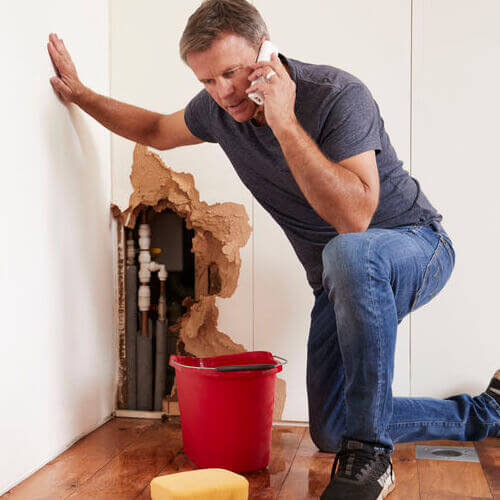
When a sink backs up, a shower starts draining slowly, or a toilet keeps acting up, most homeowners just want one thing: a clear drain that works again. But when you start looking into professional drain services, you may run into two common options: hydro jetting and drain snaking. If you are comparing hydro jetting vs. drain cleaning in Virginia, it helps to understand what each service does, when it works best, and how a plumber decides which tool your drain actually needs.
Think of your plumbing system like the shop sink in a busy classroom. If a pencil shaving or a wad of paper gets stuck right near the opening, you might be able to pull it out with a simple tool. But if years of grease, soap, hair, food scraps, and mineral buildup have narrowed the pipe, you need a stronger cleaning method. That is the basic difference between drain snaking and hydro jetting.
Both methods can be helpful. Both are used by professional plumbers. But they do not do the exact same job. One is better for breaking through a specific clog, while the other is better for washing the inside of the pipe more thoroughly. The right choice depends on what is causing the blockage, where it is located, and the condition of your plumbing.
What Is Drain Snaking?
Drain snaking, sometimes called augering, is one of the most common ways plumbers clear clogged drains. A drain snake is a long, flexible cable that is fed into the drain or pipe. At the end of the cable is a small head or attachment that can break up, push through, or grab the clog.
Picture threading a flexible metal line into a pipe until it reaches the trouble spot. Once the snake hits the clog, the plumber works the cable to break up the blockage or pull some of it back out. It is a practical, tried-and-true tool.
Drain snaking is often used for:
- Hair clogs in bathroom sinks, tubs, and showers
- Toilet clogs caused by paper or foreign objects
- Small food blockages in kitchen drains
- Minor buildup in household drain lines
- Clogs located fairly close to the drain opening
A snake is usually a good first step when the clog is fairly simple. It can restore flow quickly, especially when the problem is caused by something solid sitting in one area of the pipe.
What Is Hydro Jetting?
Hydro jetting uses a high-pressure stream of water to clean the inside of a drain or sewer line. Instead of simply poking a hole through the clog, hydro jetting sprays water through the pipe with enough force to clear grease, sludge, roots, soap scum, and other stubborn buildup.
Imagine using a pressure washer, but designed specifically for plumbing pipes. The plumber inserts a specialized hose with a nozzle into the drain line. Water sprays forward and backward, helping break apart debris while also flushing it out of the pipe.
Hydro jetting is often used for:
- Grease buildup in kitchen lines
- Heavy sludge or grime inside pipes
- Recurring drain clogs
- Sewer line blockages
- Tree root intrusion in certain cases
- Commercial plumbing systems
- Older buildup that keeps coming back
The key difference is that hydro jetting is more of a full pipe cleaning. It does not just open the drain. It helps scrub the pipe walls so water and waste can move through more freely.
The Main Difference: Clearing vs. Cleaning
Here is the shop teacher version: drain snaking punches through the problem, while hydro jetting washes the whole area clean.
That does not mean snaking is bad. It simply means it has a different purpose. If your drain has one clog, a snake may clear it. But if the pipe is coated with grease, sludge, or buildup, the snake may only create a small path through the blockage. Water might drain again for a while, but the clog can return because the pipe walls are still dirty.
Hydro jetting goes further. It can remove buildup along the inside of the pipe, which can make it a better option for drains that clog again and again.
A simple way to think about it:
- Drain snaking: Best for opening a clogged drain
- Hydro jetting: Best for cleaning the pipe more thoroughly
- Drain snaking: Usually quicker for simple clogs
- Hydro jetting: Better for stubborn or recurring buildup
- Drain snaking: Works well for certain objects and smaller blockages
- Hydro jetting: Works well for grease, sludge, and pipe-wall debris
When Drain Snaking May Be the Right Choice
Drain snaking may be the right option when the clog is straightforward. For example, if your bathroom sink suddenly stops draining after weeks of slow drainage, the cause may be hair and soap buildup near the trap. A plumber can often use a snake to remove or break up that blockage.
Snaking may also be the better choice if there is a foreign object involved. If a child flushes something that should not go down the toilet, or a small item falls into a drain, a snake or auger may be used to retrieve or move the blockage.
Drain snaking may make sense when:
- The clog is new
- Only one drain is affected
- The problem is close to the fixture
- There is no history of repeated clogs
- The pipe may not need a full cleaning
- The blockage is caused by hair, paper, or a small object
In many everyday situations, snaking is enough to get things flowing again. It is like using the right screwdriver instead of pulling out the whole toolbox.
When Hydro Jetting May Be the Better Choice
Hydro jetting may be recommended when the problem is deeper, heavier, or keeps returning. If you have had the same drain cleared multiple times, but the clog comes back, that is a sign that there may be buildup along the pipe walls. A snake can open a path, but hydro jetting can help remove the material that keeps causing trouble.
Kitchen drains are a common example. Even if you are careful, grease, oils, sauces, and food particles can build up over time. You may not notice it at first. Then one day, the sink drains slowly. Later, it stops draining altogether. A snake may poke through the grease, but hydro jetting can do a better job of flushing it away.
Hydro jetting may be recommended for:
- Clogs that keep coming back
- Multiple slow drains in the home
- Sewer line backups
- Grease-heavy kitchen drain issues
- Bad drain odors caused by buildup
- Sludge or scale inside pipes
- Certain tree root problems
- Preventive drain maintenance
For businesses, hydro jetting can be especially helpful. Restaurants, salons, offices, and other commercial properties often put more stress on their plumbing systems than a typical home. A deeper cleaning can help reduce future interruptions.
Is Hydro Jetting Safe for Pipes?
In many cases, hydro jetting is safe when performed by a trained plumber. The important part is that the plumber should evaluate the condition of the pipe first. High-pressure water is powerful, and that power needs to be used correctly.
If pipes are cracked, collapsed, badly corroded, or already fragile, hydro jetting may not be the best option. That is why professional diagnosis matters. A plumber may recommend a camera inspection before hydro jetting, especially for sewer lines or older plumbing systems. The camera helps show what is happening inside the pipe before the water pressure is used.
This is not a do-it-yourself job. Hydro jetting equipment is specialized, and too much pressure in the wrong situation can cause damage. A professional plumber knows how to choose the right nozzle, pressure level, and approach for the pipe.
Why Your Drain Keeps Clogging
A drain that clogs once may simply have had a bad day. A drain that clogs again and again is trying to tell you something.
Recurring clogs may be caused by:
- Grease buildup
- Hair and soap scum
- Flushed wipes or hygiene products
- Food scraps
- Mineral scale
- Tree roots
- Poor pipe slope
- Damaged or aging pipes
- A deeper sewer line issue
If you clear the same drain every few weeks, the real issue may not be the clog you can see. It may be the buildup or damage farther down the line. That is where a professional plumber can help you avoid guessing.
What About Store-Bought Drain Cleaners?
Many homeowners reach for chemical drain cleaners because they seem quick and easy. The problem is that these products can be harsh on plumbing, especially if used repeatedly. They may also fail to clear the full blockage, leaving you with standing water and chemicals in the drain.
Chemical cleaners can sometimes make the job more dangerous for the plumber, too. If the drain does not clear and the chemicals remain in the line, the plumber has to work around them.
A safer approach is to call a professional when plunging does not work or when the clog returns. Your pipes are part of your home’s structure, and treating them gently can help prevent bigger problems.
How a Plumber Chooses the Right Method
A good plumber does not just show up and guess. They look at the symptoms, ask questions, and may inspect the drain or sewer line. The goal is to match the solution to the problem.
A plumber may consider:
- Which drain is clogged
- How long the issue has been happening
- Whether more than one drain is affected
- Whether there are odors or gurgling sounds
- Whether sewage is backing up
- The age and material of the pipes
- Whether the home has a history of root problems
- Whether the clog has returned after previous service
For example, one slow bathroom sink may call for a snake. Several drains backing up at once may point to a main sewer line issue. A kitchen line with repeated grease clogs may benefit from hydro jetting. A very old pipe may need inspection before any aggressive cleaning is done.
Signs You Should Call a Plumber Soon
Some drain issues can wait a little while. Others need attention quickly. Plumbing problems tend to get worse when ignored, and water damage can become expensive fast.
Call a plumber if you notice:
- Water backing up into sinks, tubs, or toilets
- Sewage smells coming from drains
- Gurgling sounds after flushing
- Multiple slow drains at the same time
- A toilet that keeps overflowing
- Standing water near floor drains
- Repeated clogs in the same fixture
- A drain that will not clear with a plunger
- Water around a water heater or pipe
If the issue involves sewage, flooding, a burst pipe, or an overflowing toilet, treat it as urgent. Fast action can help protect your floors, walls, belongings, and plumbing system.
Hydro Jetting vs. Drain Snaking: Which One Do You Need?
The honest answer is: it depends on the clog.
You may need drain snaking if the problem is a simple blockage, such as hair in a shower drain or paper in a toilet. You may need hydro jetting if the pipe has heavy buildup, recurring clogs, grease, sludge, or a deeper sewer line obstruction.
Here is a simple guide:
- Choose drain snaking when: The clog is isolated, recent, and likely caused by hair, paper, or a small blockage.
- Choose hydro jetting when: The clog keeps coming back, the pipe has heavy buildup, or several drains are affected.
- Get a professional inspection when: You are unsure, the home has older pipes, or sewage is backing up.
The best choice is not always the most powerful tool. It is the right tool. Just like in a workshop, you would not use a saw when a wrench is what you need. A professional plumber can help determine whether your drain needs a quick clearing, a deep cleaning, or a closer inspection.
FAQ
Is hydro jetting better than snaking?
Hydro jetting is better for heavy buildup and recurring clogs, while snaking is often better for simple blockages. The right choice depends on what is inside the pipe.
Does drain snaking clean the whole pipe?
Not usually. Snaking typically breaks through or removes a clog, but it may leave buildup along the pipe walls.
Can hydro jetting remove grease?
Yes. Hydro jetting is often effective for grease buildup because the high-pressure water can help break it apart and flush it from the line.
Is hydro jetting safe for old pipes?
It can be safe, but old or damaged pipes should be inspected first. A plumber may recommend a camera inspection before hydro jetting.
Why does my drain keep clogging after snaking?
The snake may be opening a small path through the clog without removing buildup from the pipe walls. Grease, sludge, roots, or pipe damage may also be involved.
Can I hydro jet my own drain?
No, hydro jetting should be handled by a trained plumber. The equipment is powerful and can damage pipes or cause injury if used incorrectly.
When is a clogged drain an emergency?
A clogged drain is an emergency when sewage backs up, a toilet overflows, water is spreading, or multiple drains stop working at once.
How do I know if my main sewer line is clogged?
Warning signs include multiple slow drains, gurgling toilets, sewage odors, water backing up into tubs or showers, and floor drain backups.
Call Kinnett Plumbing for Drain Cleaning and Emergency Plumbing in Woodbridge, VA
Whether your drain needs snaking, hydro jetting, or a professional inspection, we are ready to help. When a plumbing emergency strikes in Woodbridge, VA, and surrounding areas, you need a reliable plumber who can respond quickly and efficiently. Whether you are dealing with a burst pipe, an overflowing toilet, or a failing water heater, fast action is essential to minimize damage and restore your plumbing system.
Our experienced team is available 24/7 to handle all types of emergency plumbing repairs. We arrive fully equipped to diagnose and fix issues on the spot, ensuring your home or business is back to normal as soon as possible. With years of expertise, we provide high-quality repairs and honest pricing, so you can have peace of mind during stressful situations.
Do not wait for a slow drain to turn into a flooded room or a sewer backup. Contact us today for dependable drain cleaning, hydro jetting, drain snaking, and emergency plumbing service in Woodbridge, VA, and the surrounding areas.

 Jennifer Bishop