If you have ever pictured a sewer repair as a crew digging a long trench straight through your lawn, driveway, flower beds, or landscaping, you are not alone. That used to be the standard approach for many sewer line problems. Today, homeowners have another option. Trenchless sewer repair in Virginia can often repair or replace a damaged underground sewer line with far less digging, less disruption, and a much easier cleanup afterward.
For homeowners in Northern Virginia, that can be a big deal. Many properties have mature landscaping, carefully maintained lawns, patios, sidewalks, driveways, fences, and other features sitting above underground plumbing lines. Digging all of that up just to reach a damaged sewer pipe can turn one repair project into several.
Trenchless technology is designed to reduce that disruption. It is not the right solution for every single sewer problem, but when conditions allow it, it can save time, preserve your property, and help you avoid some of the extra expenses that come with traditional excavation.
Let’s break down how it works, when it makes sense, and what Northern Virginia homeowners should know before choosing a sewer repair method.
What Is Trenchless Sewer Repair?
The easiest way to understand trenchless sewer repair is to think of it as fixing an underground pipe without digging up the entire length of that pipe.
Traditional sewer repair usually involves excavating a trench along the damaged sewer line. That gives plumbers direct access to the pipe so they can remove damaged sections and install new ones.
Trenchless methods take a different approach. Instead of opening the whole area above the sewer line, plumbers typically work through one or two smaller access points. Specialized equipment is then used to rehabilitate or replace the pipe underground.
In plain English, the goal is to do as much of the work as possible below the surface while leaving your yard alone.
That can make trenchless repair especially appealing when a sewer line runs under:
A driveway
A patio
Expensive landscaping
A garden
A walkway
Mature trees or shrubs
Fencing
Outdoor living areas
Less digging does not mean no work is involved. Sewer repair is still a serious plumbing project. The advantage is that the repair can often be completed without tearing apart everything sitting above the damaged line.
How Does Trenchless Sewer Repair Work?
There are a few different trenchless methods, but two of the most common are pipe lining and pipe bursting.
Pipe Lining
Pipe lining is often used when the existing sewer pipe is damaged but still structurally suitable for rehabilitation.
A plumber first cleans and inspects the existing line. A flexible liner coated with resin is then inserted into the damaged pipe. Once it is positioned correctly, the liner is expanded and allowed to cure.
After curing, the liner essentially creates a new pipe inside the old one.
Think of it like putting a durable new inner shell inside an existing pipe instead of removing the entire pipe from the ground.
Pipe lining may be useful for problems such as:
Cracks
Small gaps
Corrosion
Certain types of leaks
Aging pipe walls
Minor root intrusion after the line has been properly cleaned
Because the new liner sits inside the old sewer pipe, the interior diameter of the line may be reduced slightly. However, the smooth interior surface can still provide efficient wastewater flow when the system is properly installed.
Pipe Bursting
Pipe bursting is different because it actually replaces the existing sewer pipe.
A specialized bursting head is pulled through the old pipe. As it moves forward, it breaks or pushes the damaged pipe outward while pulling a new pipe into the same path.
The old line is essentially moved out of the way while the replacement pipe takes its place.
This method can be useful when the existing sewer line is too badly damaged for lining.
Depending on the condition and layout of the plumbing system, pipe bursting may be considered for:
Severely deteriorated sewer lines
Collapsed or badly damaged sections
Pipes that need full replacement
Older materials that are reaching the end of their useful life
Situations where installing a completely new pipe is more practical than rehabilitating the existing one
The exact repair method should always be selected after the sewer line has been inspected.
Why Northern Virginia Homeowners Consider Trenchless Repair
Digging up a sewer line is not just about digging up dirt.
That is an important point.
Imagine your sewer line runs beneath 50 feet of lawn and then crosses under part of your driveway. A traditional excavation may solve the plumbing problem, but afterward you could also be dealing with lawn repair, landscaping replacement, concrete work, or driveway repairs.
Those additional projects can add time, inconvenience, and expense.
Trenchless sewer repair can reduce those secondary headaches.
You Can Protect Your Landscaping
Homeowners put a lot of work into their yards. Trees, flower beds, shrubs, irrigation systems, and carefully planned landscaping can take years to establish.
When traditional excavation is required, some of those areas may need to be removed or disturbed to access the sewer line.
A trenchless method usually requires much smaller access areas.
That means fewer plants are disturbed, and less of your lawn needs to be restored afterward.
You May Avoid Major Driveway or Patio Damage
Concrete is another concern.
If a sewer pipe passes beneath a driveway, sidewalk, or patio, traditional excavation may require removing sections of that surface.
Once the plumbing work is finished, the concrete or pavement still has to be repaired.
Trenchless technology can sometimes allow plumbers to reach and repair the sewer line without opening the entire surface above it.
That can prevent a sewer job from turning into a sewer job plus a concrete job.
The Project Can Be Less Disruptive
Sewer repairs are inconvenient enough without turning your property into a construction zone.
Large excavation projects may involve:
Heavy equipment
Large piles of soil
Open trenches
Damaged grass
Restricted access to parts of the property
Cleanup and restoration work
Trenchless repair reduces the amount of excavation required, which can make the overall experience much more manageable for homeowners.
Can Trenchless Sewer Repair Save Money?
Sometimes homeowners hear the word “trenchless” and assume it must automatically be cheaper.
That is not always the case.
The plumbing work itself may involve specialized equipment, materials, and training. Depending on the specific situation, the upfront repair cost could be comparable to or even higher than a traditional excavation.
The potential savings often appear when you look at the entire project instead of only the plumbing invoice.
Traditional sewer replacement may require additional spending on:
Landscaping restoration
Sod replacement
Concrete repair
Driveway repair
Patio reconstruction
Fence removal and replacement
Irrigation system repairs
Those costs can add up quickly.
For example, imagine two sewer repair options are available. One requires digging through a landscaped side yard and part of a paved area. The other requires two small access points.
Even if the trenchless plumbing work costs more initially, avoiding extensive property restoration could make it the more economical choice overall.
This is why it is smart to compare the total project cost rather than simply looking at the sewer repair price by itself.
Signs Your Sewer Line May Need Repair
Sewer problems usually give you some warning signs before everything completely stops working.
Some are obvious. Others are easy to dismiss at first.
Pay attention if you notice any of the following.
Multiple Drains Are Backing Up
One slow sink might be a local clog.
Several drains backing up at the same time can point to a deeper problem in the main sewer line.
You might notice water backing up into a bathtub when a toilet is flushed or hear drains gurgling throughout the house.
Those are signs that wastewater may not be moving through the main line correctly.
Your Toilet Keeps Gurgling
An occasional plumbing noise may not mean much.
Repeated bubbling or gurgling from toilets can indicate air being pushed through the plumbing system because wastewater is having trouble flowing through the sewer line.
If the noise happens when you run a sink, washing machine, or shower, it deserves attention.
You Smell Sewage
A functioning plumbing system should keep sewer gases safely contained.
If you begin smelling sewage inside or outside your home, something may be wrong.
Possible causes include drain problems, venting problems, damaged seals, or a sewer line issue.
Because sewer odors can indicate several plumbing problems, a professional inspection is the best way to identify the source.
Your Yard Has Unusually Wet Areas
A leaking underground sewer line can release wastewater into the surrounding soil.
You may notice soggy areas that do not seem related to rain or irrigation.
In some cases, grass over the leaking area may grow unusually fast because of the extra moisture and nutrients in the soil.
A suspiciously green patch of lawn is not always good news.
You Have Recurring Sewer Clogs
A drain that clogs once may simply need cleaning.
A sewer line that keeps clogging after repeated service could have another problem.
Tree roots, damaged pipe sections, corrosion, shifting soil, or a partially collapsed line can all contribute to recurring blockages.
At that point, repeatedly clearing the clog may only treat the symptom.
Finding out why the line keeps clogging is more important.
Why a Sewer Camera Inspection Matters
You would not want someone replacing part of your car engine without first finding out what is actually wrong.
The same idea applies to sewer lines.
A sewer camera inspection allows a plumber to look inside the pipe before recommending a major repair.
A small waterproof camera is fed through the sewer line while the technician watches the interior condition on a monitor.
The camera may reveal:
Cracks
Root intrusion
Corrosion
Misaligned pipe sections
Heavy buildup
Collapsed areas
Broken connections
Foreign objects
Sections holding standing water
This information helps determine whether the pipe needs cleaning, spot repair, trenchless rehabilitation, full replacement, or another solution.
It also helps determine whether trenchless repair is actually possible.
That is important because trenchless technology should not be treated as a one-size-fits-all answer.
When Trenchless Sewer Repair May Not Be the Right Choice
Trenchless repair is useful, but there are situations where traditional excavation may still be necessary.
For example, the existing pipe may be severely collapsed or positioned in a way that prevents certain equipment from passing through it.
Other complications may include:
Major changes in pipe alignment
Serious structural failure
Poor access
Improper slope
Unexpected underground obstacles
Extensive damage to surrounding connections
The plumbing system may also have defects that cannot be corrected by simply installing a liner inside the existing pipe.
That is why inspection comes first.
A qualified plumber should evaluate the actual sewer line and explain which repair options are practical for your property.
How Long Does Trenchless Sewer Repair Take?
The timeline depends on the condition of the sewer line, its length, the repair method, access, and other site conditions.
In many situations, trenchless work can be completed faster than a full excavation because crews do not have to dig and refill a long trench.
There may also be less restoration work afterward.
A traditional project could involve repairing the sewer line and then scheduling landscaping, concrete, or pavement work.
With a trenchless approach, much of that additional restoration may be reduced or avoided.
Your plumber should explain the expected timeline once the sewer line has been inspected.
What Happens Before the Repair?
A professional trenchless sewer project generally involves several steps.
The exact process will depend on your property, but it may include:
Inspecting the sewer line. A camera is used to locate the damage and evaluate the pipe.
Determining the repair method. The plumber decides whether lining, bursting, excavation, or another solution is appropriate.
Cleaning the pipe. Debris, buildup, or roots may need to be removed before trenchless work begins.
Preparing access points. Small excavation areas may be created so technicians can reach the sewer line.
Completing the repair or replacement. Specialized trenchless equipment is used to rehabilitate or replace the damaged section.
Inspecting the finished work. The line may be checked again to confirm that the repair was completed correctly.
Restoring the access areas. The smaller access points are filled and cleaned up.
The key advantage is that the entire sewer line usually does not need to be exposed from above.
What Causes Sewer Lines to Fail?
Sewer pipes spend their lives underground, so it is easy to forget they are there until something goes wrong.
Several factors can damage them over time.
Tree Roots
Roots naturally seek moisture.
If a sewer pipe develops a tiny crack or loose connection, roots may grow toward that moisture and eventually enter the line.
Once inside, they can create blockages and put additional pressure on damaged sections.
Aging Materials
Older pipes do not last forever.
Depending on the material and installation conditions, sewer lines can corrode, crack, weaken, or develop rough interior surfaces over time.
Eventually, replacement or rehabilitation may be necessary.
Shifting Soil
Soil moves.
Freeze and thaw cycles, erosion, settling, construction activity, and other ground conditions can put pressure on buried plumbing.
That movement may cause pipes to shift, separate, or crack.
Heavy Buildup
Grease, debris, mineral deposits, and other materials can collect inside sewer lines.
Over time, that buildup can reduce the available space for wastewater to move through.
Severe blockages can contribute to backups and stress on the plumbing system.
Poor Installation
Some sewer problems begin with how the line was installed.
Improper slope, weak connections, inadequate support, or other installation issues can create trouble years later.
A camera inspection can help identify many of these problems.
How to Reduce the Risk of Future Sewer Problems
You cannot control everything happening underground, but you can make life easier for your sewer system.
Start by being careful about what goes down your drains.
Avoid treating the toilet like a trash can. Toilet paper and human waste are what the system is designed to handle.
Items such as wipes, feminine hygiene products, paper towels, cotton swabs, and other materials can contribute to clogs even when a package describes an item as flushable.
In the kitchen, avoid pouring grease and cooking oil down the drain.
Other good habits include:
Addressing recurring slow drains instead of ignoring them
Having persistent sewer problems professionally inspected
Knowing where the sewer line runs through your property
Watching for unusual wet areas in the yard
Paying attention to repeated gurgling or backups
Repairing known plumbing problems before they become emergencies
Think of your sewer line like any other major home system. Early attention is usually easier than emergency repair.
Why Professional Sewer Repair Matters
A damaged sewer line is not the kind of project most homeowners should try to diagnose by watching a few videos online.
You are dealing with buried plumbing that carries wastewater away from the home. Correct diagnosis, equipment selection, pipe preparation, and installation all matter.
Trenchless repairs also require specialized tools and experience.
A professional plumber can evaluate the entire situation rather than simply guessing based on symptoms.
That matters because a clogged pipe and a collapsed pipe can cause similar symptoms while requiring very different repairs.
The goal is not just to make the water disappear for today.
The goal is to identify the actual problem and provide a repair that restores reliable sewer performance.
FAQ About Trenchless Sewer Repair in Northern Virginia
Is trenchless sewer repair completely dig-free?
Not usually. Most trenchless projects still require one or more small access points. The difference is that plumbers generally do not have to excavate a long trench over the entire sewer line.
Can trenchless repair fix tree root damage?
Sometimes. Roots may first need to be removed from the sewer line. A plumber can then inspect the pipe and determine whether lining, replacement, or another method is appropriate.
Is trenchless sewer repair cheaper than traditional replacement?
It depends on the property and the type of damage. Trenchless work may reduce expenses related to restoring landscaping, concrete, driveways, patios, and other surfaces after the plumbing repair.
How do I know whether my sewer line can be repaired trenchlessly?
A sewer camera inspection is usually the first step. The plumber needs to see the condition, location, alignment, and extent of the damage before recommending a repair method.
Can a badly damaged sewer line still be repaired without digging everything up?
Possibly. Pipe bursting can sometimes replace severely damaged lines while limiting excavation. However, some conditions still require traditional digging.
How long does a trenchless sewer repair last?
Service life depends on the repair method, materials, installation quality, soil conditions, and other factors. Your plumber can explain the expected lifespan of the specific system being recommended.
Will trenchless sewer repair damage my driveway?
One of the major advantages of trenchless technology is that it may allow plumbers to repair a sewer line running beneath a driveway without removing large sections of the surface. The exact approach depends on access and pipe conditions.
What should I do if sewage is backing up into my home?
Stop using plumbing fixtures as much as possible and call a plumber promptly. Continued water use can send more wastewater toward an already blocked or damaged sewer line.
Call Kinnett Plumbing for Sewer and Emergency Plumbing Service
A sewer problem does not have to mean sacrificing your lawn, landscaping, driveway, and weekend plans. When trenchless technology is appropriate, it can provide a practical way to repair or replace damaged sewer piping while limiting excavation and reducing disruption around your property.
The first step is finding out exactly what is happening underground.
Kinnett Plumbing provides experienced plumbing service for homeowners and businesses in Woodbridge, VA, and surrounding Northern Virginia communities. Whether you are dealing with sewer trouble, a burst pipe, an overflowing toilet, a failing water heater, or another urgent plumbing problem, our experienced team is available 24/7 for emergency plumbing repairs.
We arrive prepared to diagnose the problem and make the necessary repairs as efficiently as possible. With years of plumbing experience, high-quality workmanship, and honest pricing, we work to restore your system while keeping you informed about what needs to be done and why.
If you are noticing recurring backups, sewer odors, slow drains, soggy areas in your yard, or other signs of a damaged sewer line, do not wait for the problem to get worse. Contact us today to schedule an inspection and learn whether trenchless sewer repair is the right solution for your Northern Virginia property.
If you have been searching for ejector pump service in Virginia, you may be wondering whether an ejector pump is the same thing as a sump pump. That is a fair question. Both pumps usually sit below the main level of a home, both collect unwanted water, and both move that water through a discharge pipe. However, they handle very different types of water and protect your property in different ways. Think of them as two tools hanging beside each other in a workshop. They may look similar, but you would not use a wrench when the job calls for a hammer.
Understanding the difference between an ejector pump and a sump pump can help you recognize plumbing problems sooner, communicate more clearly with your plumber, and avoid damage to your home. You do not need to know every technical detail. You simply need to understand what each pump does, where it is usually installed, and what warning signs suggest it needs attention.
What Is a Sump Pump?
A sump pump helps protect your basement or crawl space from groundwater and flooding. It is installed inside a sump pit, which is a basin placed at the lowest point of the area.
As groundwater builds up around your foundation, drainage pipes direct the water into the sump pit. When the water reaches a certain level, a float switch activates the pump. The pump then sends the water away from the house through a discharge line.
In plain language, a sump pump removes relatively clean water before it can spread across your basement floor.
A sump pump may handle water from:
Heavy rain
Rising groundwater
Foundation drainage systems
Melting snow
Minor water seepage around the foundation
Certain basement appliances, depending on the plumbing setup
The pump does not make your basement waterproof by itself. Instead, it works as part of a larger drainage system. Gutters, downspouts, grading, foundation drains, and waterproofing materials may all contribute to keeping the space dry.
What Is an Ejector Pump?
An ejector pump, also called a sewage ejector pump, moves wastewater and solid waste from plumbing fixtures located below the main sewer line.
Most household drains rely on gravity. Water from a toilet, sink, shower, or washing machine normally flows downhill into the sewer or septic system. However, gravity cannot do the job when a bathroom or laundry room is located below the level of the main drain line.
That is where an ejector pump comes in.
Wastewater flows into a sealed ejector basin. Once the basin reaches a set level, the pump turns on and pushes the wastewater upward into the building’s main sewer line. From there, the waste continues to the municipal sewer system or septic tank.
An ejector pump may serve:
A basement toilet
A basement shower or bathtub
A below-grade bathroom sink
A basement laundry room
A utility sink
A finished lower-level living space
A commercial area with plumbing fixtures below the sewer line
Unlike a sump pump, an ejector pump handles dirty wastewater that may contain toilet paper and solid waste. For that reason, the basin must be tightly sealed and properly vented.
The Main Difference: The Type of Water Each Pump Handles
The easiest way to remember the difference is to focus on what goes into the pump.
A sump pump handles groundwater. An ejector pump handles sewage and wastewater.
Here is a simple comparison:
Sump pump: Removes rainwater, groundwater, or foundation drainage water
Ejector pump: Removes wastewater from toilets, sinks, showers, and other plumbing fixtures below the sewer line
You should never direct sewage into a standard sump pit. A sump pump is not designed to process solids or safely contain sewer gases. Likewise, an ejector system should not be treated as a general basement drainage solution unless the plumbing system was specifically designed that way.
How the Pumps Are Installed
Both systems use a pump, basin, float switch, check valve, and discharge pipe. However, their installation requirements are not identical.
Sump Pump Installation
A sump pump is usually placed in an open or loosely covered pit. Some pits have airtight covers, particularly when radon control or moisture reduction is a concern, but the pump is not normally handling sewage.
The discharge pipe carries water outside and releases it a safe distance away from the foundation. The location of that discharge point matters. If the water empties too close to the house, it may flow back toward the foundation and return to the sump pit.
A sump pump system may also include:
A battery backup pump
A water-powered backup pump
A high-water alarm
A check valve
A dedicated electrical outlet
A sealed pit cover
A secondary pump
Ejector Pump Installation
An ejector pump sits inside a sealed basin. The lid must be secured to contain wastewater and prevent sewer gases from entering the home.
The system also needs a vent pipe. The vent allows gases to leave safely and helps air pressure remain balanced while the pump operates.
The discharge pipe connects to the main sewer line and typically includes a check valve. This valve prevents wastewater from flowing backward into the basin after the pump shuts off.
Because the pump handles sewage, installation and repairs should be completed by an experienced plumber. Incorrect connections can cause leaks, backups, odors, contamination, and code violations.
Do You Need a Sump Pump?
You may need a sump pump if your home has a basement or crawl space that is vulnerable to groundwater.
Common signs include:
Water entering the basement after heavy rain
Damp walls or floors
White, chalky mineral deposits on foundation surfaces
Musty odors
Mold or mildew growth
Standing water in a crawl space
Previous basement flooding
A high water table
Drainage problems around the foundation
Even if your basement has never flooded, a sump pump may be worth considering if neighboring homes have experienced water problems. Soil conditions and groundwater levels often affect multiple homes in the same area.
Homes in Woodbridge and other parts of Northern Virginia can experience periods of heavy rainfall and saturated soil. A working sump pump provides an important layer of protection when water begins collecting around the foundation.
Do You Need an Ejector Pump?
You usually need an ejector pump when you have plumbing fixtures below the level of your main sewer or septic line.
For example, imagine that you want to add a full bathroom to your basement. The toilet drain may sit several feet below the sewer pipe leaving your house. Waste cannot flow uphill on its own, so an ejector pump must lift it to the proper level.
You may need an ejector pump if:
You are adding a basement bathroom
Your lower-level bathroom drains slowly or backs up
A basement toilet will not flush correctly
You are moving a laundry area below grade
Your existing ejector pump is noisy or unreliable
You notice sewage odors near the ejector basin
An alarm is sounding near the pump system
A plumber can inspect the elevation of your drain lines and determine whether gravity drainage is possible. If not, an ejector pump will likely be required.
Can a Home Have Both Pumps?
Yes. Many homes have both an ejector pump and a sump pump.
The sump pump protects the basement from groundwater. The ejector pump carries wastewater from basement plumbing fixtures to the main sewer line.
The two systems may be located near each other, which is one reason homeowners sometimes confuse them. Look at the lids and connected pipes. An ejector basin is usually sealed and vented. A sump pit may have a simpler cover and will have a discharge line leading outdoors.
When you are unsure which pump you have, avoid removing covers or disconnecting pipes. A plumber can identify the system safely.
Warning Signs of a Failing Sump Pump
A sump pump should turn on when water rises and shut off after the pit has been emptied. If it does not follow that pattern, something may be wrong.
Watch for these warning signs:
The pump does not start when the pit fills
The pump runs constantly
The motor hums, but no water moves
The pump cycles on and off rapidly
Water remains in the pit
The unit makes grinding or rattling sounds
The discharge pipe is frozen or blocked
The circuit breaker repeatedly trips
The pump is more than seven to ten years old
A stuck float switch is a common problem. The switch may become tangled, blocked by debris, or pressed against the side of the pit. The pump may also fail because of a clogged intake, damaged motor, power outage, or obstructed discharge line.
Warning Signs of a Failing Ejector Pump
Ejector pump problems can become messy quickly because the system handles sewage. Stop using the connected fixtures and contact a plumber when you notice a possible failure.
Warning signs may include:
A basement toilet that will not flush
Wastewater backing up into a shower or floor drain
Sewage odors in the basement
Gurgling sounds from lower-level drains
An ejector alarm that will not stop
A pump that runs longer than usual
Loud banging, grinding, or humming
Wastewater leaking around the basin lid
Multiple basement drains becoming slow at the same time
Do not open a sewage ejector basin to investigate. The contents may contain harmful bacteria, and sewer gases can create health and safety risks. Leave the inspection and cleanup to trained professionals.
Maintenance Tips for Both Types of Pumps
Routine maintenance can help your pump operate more reliably and may reveal problems before the next major storm or plumbing emergency.
Sump Pump Maintenance
You can help care for a sump pump by:
Checking the pit for visible debris
Making sure the float can move freely
Confirming that the discharge point is clear
Testing the pump according to the manufacturer’s directions
Checking the backup battery
Scheduling a professional inspection before rainy seasons
Keeping stored belongings away from the pit
A basic test often involves slowly pouring clean water into the pit until the float rises. The pump should activate, remove the water, and shut off. Do not perform the test if the unit has exposed wiring, damaged components, or other safety concerns.
Ejector Pump Maintenance
Ejector pump maintenance is better left to a plumber because the basin contains sewage.
You can reduce the chance of trouble by:
Flushing only toilet paper and human waste
Keeping wipes out of the toilet, including products labeled flushable
Avoiding grease, paper towels, hygiene products, and cat litter
Paying attention to unusual sounds and odors
Responding quickly when an alarm activates
Scheduling professional service when recommended
Treat the system like a machine with a very specific job. The fewer inappropriate materials you put into it, the easier that job becomes.
Backup Power and Pump Alarms
Electric pumps cannot operate during a power outage unless they have a backup power source. Unfortunately, strong storms may cause both heavy rainfall and power failures at the same time.
A battery backup can keep a sump pump working when the primary system loses electricity. A high-water alarm can also warn you when water rises too far.
Ejector systems may use alarms to indicate that the wastewater level is unusually high. An alarm does not always mean the pump has completely failed, but it should never be ignored. Limit water use in the affected part of the house and call a plumber.
Why Professional Pump Service Matters
Pump installation involves more than placing a device into a basin and connecting a pipe. The system must be sized correctly, vented when required, connected to the appropriate drain or discharge point, protected by a check valve, and supplied with safe electrical power.
Professional service helps ensure that:
The pump has enough power for the required lift
The basin is the correct size
The float switch can move properly
The check valve is installed in the correct direction
The discharge line is properly routed
Sewage connections are sealed
Venting meets system requirements
The installation follows applicable plumbing codes
A pump that is too small may run constantly or fail during heavy use. A pump that is too large may cycle too quickly, which can shorten its service life. Correct sizing helps the equipment work efficiently and reliably.
Frequently Asked Questions
Is an ejector pump the same as a sump pump?
No. A sump pump removes groundwater from around the foundation. An ejector pump moves sewage and wastewater from plumbing fixtures located below the main sewer line.
Can an ejector pump handle toilet waste?
Yes. A sewage ejector pump is specifically designed to move wastewater that may contain toilet paper and solid waste.
Can a sump pump handle sewage?
No. A standard sump pump should not be used for sewage. It is designed for groundwater and relatively clean drainage water.
Why does my basement bathroom need an ejector pump?
It may need one because the bathroom drains are below the main sewer line. The pump lifts wastewater high enough to enter the sewer pipe.
How long do sump pumps last?
Many sump pumps last about seven to ten years, but the actual lifespan depends on usage, maintenance, water conditions, installation quality, and pump design.
How long do ejector pumps last?
A sewage ejector pump may last around seven to ten years or longer with proper installation and maintenance. Heavy use, clogs, and inappropriate materials can shorten its life.
What happens when an ejector pump fails?
Wastewater may stop draining and can back up into basement toilets, showers, sinks, or floor drains. Stop using the connected fixtures and call a plumber promptly.
What happens when a sump pump fails?
Groundwater can rise above the sump pit and flood the basement or crawl space. Fast repairs are especially important during heavy rain.
Does a sump pump need a backup battery?
A backup battery is not always required, but it is highly useful in areas where storms and power outages occur together.
Should I repair or replace an older pump?
That depends on the pump’s age, condition, repair history, and the cost of the damaged part. A plumber can help you compare the reliability of a repair with the long-term value of replacement.
Protect Your Home With Kinnett Plumbing
Whether you need a sump pump to defend your basement against groundwater or an ejector pump to support a below-grade bathroom, the right equipment and proper installation make a major difference. We can inspect your system, identify the type of pump you have, and recommend the appropriate repair, maintenance, or replacement service.
When a plumbing emergency strikes in Woodbridge, VA, or a surrounding community, you need a dependable plumber who can respond quickly and efficiently. A burst pipe, overflowing toilet, failed pump, sewage backup, or malfunctioning water heater can cause serious damage when it is not handled promptly.
Our experienced team is available 24/7 for emergency plumbing repairs. Our plumbers arrive equipped to diagnose problems and complete high-quality repairs as efficiently as possible. With honest pricing, professional service, and years of hands-on expertise, we help homeowners and businesses regain peace of mind during stressful plumbing situations.
Contact us today to schedule pump service or request emergency plumbing assistance in Woodbridge, VA, and surrounding areas.
When you need slab leak repair in Northern Virginia, the first thing to remember is that the problem is fixable. A leak beneath a concrete foundation sounds intimidating, but an experienced plumber can locate the damaged pipe, explain the available repair methods, and help you choose a practical solution. The important part is acting quickly. Water leaking under your home can increase your utility bills, damage flooring, encourage mold growth, and weaken nearby building materials.
Think of a slab leak like a loose hose hidden beneath a heavy workbench. You may not be able to see the hose, but you can spot the effects of the escaping water. The floor may feel warm, your water bill may rise, or you may hear water running when every faucet is turned off. A plumber uses specialized tools to trace the problem before deciding how to reach and repair the pipe.
What Is a Slab Leak?
Many homes are built on concrete slab foundations. Water supply lines and other plumbing pipes may run beneath or through that concrete. A slab leak occurs when one of those pipes cracks, develops a pinhole, separates at a connection, or otherwise begins releasing water below the foundation.
Both hot-water and cold-water lines can leak. Hot-water slab leaks are sometimes easier to notice because they may create an unusually warm area on the floor. Cold-water leaks can be less obvious and may continue for a long time before visible damage appears.
Common causes of slab leaks include:
Aging or corroded pipes
Excessively high water pressure
Soil movement beneath the home
Normal expansion and contraction of pipes
Improper installation
Abrasion caused by a pipe rubbing against concrete or another pipe
Damage from long-term vibration
Shifting or settling of the foundation
A slab leak does not automatically mean your foundation is failing. In many cases, the problem is limited to a damaged plumbing line. However, the longer water is allowed to escape, the greater the chance of damage to flooring, walls, cabinets, and other parts of the home.
Warning Signs of a Slab Leak
Slab leaks rarely announce themselves with one unmistakable sign. Instead, homeowners often notice several small clues that do not seem connected at first.
Watch for the following warning signs:
A sudden or unexplained increase in your water bill
The sound of running water when fixtures are off
Warm or damp areas on the floor
Cracked, warped, or discolored flooring
Musty odors
Mildew or mold near the bottom of walls
Low water pressure
Water collecting near the foundation
A water meter that continues moving when no water is being used
Cracks developing in walls or flooring
A higher water bill is especially important. Water rates can change, and household use can vary, but a large unexplained jump deserves attention. Turn off faucets, washing machines, dishwashers, ice makers, and other water-using appliances. Then look at your water meter. If it continues to register water use, you may have a hidden leak.
Do not start breaking through the flooring based on a guess. Slab leak detection should come before demolition. Accurate testing can reduce unnecessary damage and help the plumber select the least disruptive repair method.
What Happens During Slab Leak Detection?
The first service visit normally begins with questions. The plumber may ask when you noticed the problem, whether the water bill has increased, which rooms seem affected, and whether you have experienced previous leaks.
Next, the plumber may inspect exposed plumbing, flooring, walls, the water heater, and the area around the foundation. Depending on the situation, leak detection may involve:
Water pressure testing
Electronic listening equipment
Thermal imaging
Moisture meters
Line isolation tests
Video inspection equipment
Inspection of the water meter
Testing individual plumbing zones
Electronic listening equipment can help identify the sound created by pressurized water escaping from a pipe. Thermal imaging may reveal temperature differences associated with a hot-water leak. Moisture meters can identify damp areas that are not yet visible.
No single tool solves every case. A good diagnosis combines equipment readings with the plumber’s training and experience. The goal is to narrow the leak to the smallest practical area before recommending a repair.
What to Expect During Slab Leak Repair
After locating the leak, the plumber should explain what failed, where the problem is located, and which repair options make sense. There are several ways to repair a slab leak, and the best method depends on the location of the damaged pipe, the age of the plumbing system, and the condition of nearby lines.
Direct Access or Spot Repair
A direct-access repair involves opening the floor and concrete above the damaged section. The plumber removes enough material to reach the pipe, cuts out the failed section, installs new piping, and tests the repair.
This approach may be appropriate when:
The leak location is precise
The damaged area is easy to reach
The surrounding pipe is in good condition
Only one isolated section has failed
The flooring can be removed and restored reasonably
Spot repair can be effective, but it is not always the least expensive choice once flooring and concrete restoration are included. A leak under a utility room floor may be fairly manageable. A leak under custom cabinets, stone flooring, or a finished living area may require more extensive restoration.
Pipe Rerouting
Rerouting means abandoning the leaking section and installing a new pipe along a different path. The new line may run through walls, ceilings, an attic, or another accessible area rather than beneath the slab.
Rerouting may be recommended when:
The leak is difficult to access
Opening the slab would damage expensive finishes
The existing underground route is no longer practical
The pipe has multiple weak areas
A new route offers a more dependable long-term solution
Rerouting may sound like a larger project, but it can reduce concrete demolition and make future access easier.
Pipe Lining
In some situations, a damaged pipe can be repaired from the inside with an epoxy lining. The line is cleaned and dried before a coating is applied to seal small cracks or pinhole leaks.
Pipe lining is not appropriate for every plumbing system. A collapsed, badly corroded, or separated pipe may need to be replaced instead. Your plumber should inspect the line and explain whether lining is suitable for its size, material, and condition.
Partial or Whole-House Repiping
One slab leak does not always mean the entire house needs new plumbing. However, repeated leaks in older pipes may signal a system-wide problem. Repairing one weak section at a time can become frustrating and expensive.
A partial or whole-house repipe may be worth discussing when:
The home has experienced several leaks
The pipes are near the end of their expected service life
Corrosion is visible in multiple areas
Water quality has deteriorated
Water pressure is inconsistent
Several lines run beneath the slab
The cost of repeated repairs is approaching the cost of replacement
Repiping is a significant project, but it may provide better long-term value when the existing system has widespread deterioration.
How Much Does Slab Leak Repair Cost in Northern Virginia?
Slab leak repair prices vary widely because the phrase “slab leak repair” can describe anything from sealing a small section of pipe to rerouting multiple water lines.
Recent national cost guides place many slab leak repairs between approximately $630 and $4,400, with average projects around $2,300. Other published estimates place direct foundation access and pipe replacement between roughly $700 and $5,000, while more extensive rerouting or repiping can cost considerably more.
For planning purposes, homeowners may encounter costs such as:
Leak detection and diagnostic testing
Opening walls, floors, or concrete
Repairing or replacing the damaged pipe
Rerouting a water line
Pressure testing the completed work
Concrete patching
Flooring replacement
Drywall repair and painting
Cabinet removal or reinstallation
Water extraction and drying
Mold remediation when needed
A relatively accessible leak with limited damage may stay near the lower end of the range. A leak under finished flooring, built-in cabinetry, or a difficult part of the foundation can cost more. Whole-house repiping may reach several thousand dollars because it involves installing multiple new supply lines rather than repairing one isolated section.
Northern Virginia labor rates, home layouts, permit requirements, and building materials can also influence pricing. The only dependable way to know the cost for your property is to have the plumbing system inspected and receive a written estimate based on the actual repair plan.
What Factors Affect the Final Price?
The Location of the Leak
A pipe beneath an open utility area is usually easier to reach than one beneath a kitchen island, bathroom tile, staircase, or load-bearing wall. Difficult access increases labor and restoration costs.
The Repair Method
Direct repair, rerouting, pipe lining, and repiping involve different materials and labor. The lowest initial estimate is not always the best long-term choice. Ask how likely the surrounding pipe is to develop another leak.
Pipe Material and Condition
Copper, PEX, CPVC, and other materials require different repair techniques. Severe corrosion or multiple weak sections can turn a small repair into a larger replacement project.
Flooring and Interior Finishes
Concrete repair may represent only part of the total. Hardwood, tile, carpet, cabinets, drywall, and paint may need to be removed or restored.
Water Damage
Standing water can damage baseboards, insulation, drywall, flooring, furniture, and stored belongings. Drying and restoration may be necessary in addition to plumbing work.
Emergency Timing
An active leak cannot always wait until regular business hours. Emergency service may cost more, but quickly stopping the water can prevent a much larger damage bill.
How Long Does Slab Leak Repair Take?
A straightforward spot repair may be completed in a day once the leak is located and the work area is prepared. Rerouting may take one or more days, depending on the length of the new line and the number of walls or ceilings involved.
Repiping and extensive restoration can take longer. Your plumber should explain the expected schedule, which rooms will be affected, when the water must be turned off, and whether separate flooring or drywall contractors will be needed.
Leak detection is sometimes completed during the initial appointment, but difficult cases may require additional testing. Taking the time to locate the leak accurately is better than opening several areas based on guesswork.
What Should You Do While Waiting for a Plumber?
When you suspect an active slab leak, take simple steps to limit the damage:
Shut off the main water supply if water is actively spreading.
Turn off the water heater if the hot-water system is involved.
Move furniture, rugs, boxes, and valuables away from damp areas.
Avoid using electrical devices near standing water.
Take photographs of visible damage.
Record unusual water-meter activity.
Contact a plumber as soon as possible.
Notify your insurance company when significant damage has occurred.
Do not pour leak-sealing chemicals into your plumbing system unless a qualified plumber specifically recommends them. These products may not reach the damaged area and can complicate professional repairs.
Will Homeowners Insurance Cover a Slab Leak?
Coverage depends on the policy and the cause of the damage. Some homeowners’ insurance policies may cover sudden water damage to flooring, drywall, cabinets, or personal belongings. They may also cover some of the work required to access a leaking pipe.
However, the policy may not pay for the failed pipe itself. Damage caused by long-term neglect, gradual corrosion, poor maintenance, or an excluded foundation issue may not be covered.
Contact your insurance company promptly, document the damage, and ask for a clear explanation of:
Access coverage
Pipe repair coverage
Water-damage restoration
Mold limits
Deductibles
Required documentation
Contractor estimate requirements
Your plumber can document the leak location and recommended repair, but the insurance company determines coverage.
How Can You Reduce the Risk of Another Slab Leak?
Not every leak is preventable, but basic maintenance can reduce stress on your plumbing system.
Have your water pressure checked, especially if faucets bang, fixtures fail frequently, or supply lines seem to wear out quickly. Excessively high pressure places unnecessary force on pipes, valves, water heaters, and appliance connections.
Pay attention to your water bill and inspect exposed plumbing regularly. Small changes are easier to address before they become major emergencies. If your home has experienced repeated pinhole leaks, ask whether water chemistry, pipe age, electrical grounding, or high pressure could be contributing to the problem.
Most importantly, do not ignore early warning signs. Quick leak detection can mean the difference between a contained plumbing repair and a larger flooring and water-damage project.
Frequently Asked Questions
Is a slab leak an emergency?
It can be. Shut off the main water supply and call a plumber promptly if water is spreading, flooring is lifting, pressure has dropped suddenly, or you hear continuous running water.
Can a slab leak damage the foundation?
Yes. Long-term moisture can wash away supporting soil, contribute to movement, and damage nearby materials. Fast repair helps limit the risk.
Can I repair a slab leak myself?
Slab leak diagnosis and repair require specialized equipment and plumbing knowledge. A do-it-yourself attempt may damage flooring or concrete without reaching the actual leak.
Does every slab leak require breaking concrete?
No. Some leaks can be addressed through pipe rerouting or, in suitable cases, internal pipe lining. The best method depends on the pipe’s location and condition.
How do plumbers find a leak under concrete?
Plumbers may use pressure testing, electronic listening equipment, thermal imaging, moisture meters, and line-isolation tests to narrow down the location.
Why is part of my floor warm?
An unexplained warm area may indicate a leaking hot-water line beneath the slab. It can also have other causes, so professional testing is recommended.
Will the water need to be shut off?
Usually, yes. The plumber may shut off the entire home or isolate one part of the system. Ask how long the interruption is expected to last.
Is one slab leak a sign that I need repiping?
Not necessarily. One isolated failure may only require a local repair. Repeated leaks or widespread corrosion may make repiping more practical.
How can I tell whether the estimate includes restoration?
Ask for an itemized written estimate. Confirm whether concrete, flooring, drywall, paint, cabinets, cleanup, and permits are included or handled separately.
How quickly should I schedule service?
Schedule an inspection as soon as you notice warning signs. Hidden leaks usually become more expensive, not less expensive, when left alone.
Call Kinnett Plumbing for Slab Leak and Emergency Plumbing Service
A suspected slab leak is not a problem to put on next month’s list. The sooner the leak is located, the sooner you can protect your flooring, foundation, plumbing system, and belongings.
We provide professional slab leak repair and leak detection for homeowners in Northern Virginia, including Woodbridge, Manassas, Dale City, Lake Ridge, Centreville, Montclair, McLean, Reston, and surrounding communities. We also offer 24/7 emergency plumbing service for urgent problems such as burst pipes, severe leaks, overflowing toilets, backed-up drains, and failing water heaters.
When a plumbing emergency strikes, fast action matters. Our team arrives prepared to diagnose the issue, explain the repair options, and work toward a dependable solution. You receive experienced service, straightforward communication, and honest pricing during a situation that can otherwise feel overwhelming.
Contact us today to schedule slab leak detection, request a repair estimate, or get immediate help with a plumbing emergency in Woodbridge or the surrounding Northern Virginia area.
If you are trying to figure out whether you need whole-house repiping in Northern Virginia, you are probably dealing with more than one annoying plumbing issue at the same time. Maybe the shower pressure has dropped, the water looks rusty, or you keep calling a plumber for leaks that seem to pop up in different places. Think of your plumbing system like the veins of your home. When one small section has a problem, a repair may be enough. But when the pipes throughout the home are aging, corroded, or failing in several spots, repiping may be the smarter and safer long-term fix.
What Does Whole-House Repiping Mean?
Whole-house repiping means replacing most or all of the water supply pipes inside your home. These are the pipes that carry clean water to your sinks, tubs, showers, toilets, washing machine, dishwasher, and water heater.
This does not always mean tearing your home apart. A skilled plumbing team plans the work carefully, finds practical access points, and replaces old pipes with modern materials such as PEX or copper. The goal is to give your home a stronger, cleaner, more reliable plumbing system.
A good way to picture it is this: patching one leaky pipe is like putting a bandage on a scrape. Repiping is more like replacing a worn-out garden hose that has cracks all along its length. At some point, patching is not the best use of your money.
Why Northern Virginia Homes May Need Repiping
Many homes in Northern Virginia have been standing for decades. That is part of what gives neighborhoods in Woodbridge, Manassas, Alexandria, Fairfax, Arlington, and surrounding areas their charm. But older homes often come with older plumbing.
Depending on when your home was built, it may have plumbing materials that are reaching the end of their useful life. Pipes can wear down because of age, water quality, pressure changes, soil conditions, freezing temperatures, and years of daily use.
Northern Virginia homeowners also deal with seasonal temperature swings. Cold winters can stress plumbing, especially in crawl spaces, exterior walls, garages, and other areas where pipes are more exposed. Over time, that stress can lead to leaks, cracks, and weak spots.
Sign 1: You Keep Finding Leaks
One leak does not automatically mean you need a full repipe. Pipes can leak for many reasons, including a loose fitting, a small crack, or damage from freezing. But repeated leaks are a different story.
You may need to consider whole-house repiping if:
You have had multiple pipe leaks in the last few years
Leaks are happening in different parts of the home
Repairs are becoming more frequent
You are worried about what may leak next
You have water stains on ceilings, walls, or floors
Here is the shop teacher way to think about it: if one chair leg is loose, you tighten it. If every chair in the classroom is wobbling, the problem is bigger than one screw. Repeated leaks usually mean the piping system is wearing out as a whole.
Sign 2: Your Water Looks Rusty, Brown, or Yellow
Clean water should look clear. If your water comes out rusty, brown, yellow, or tinted, your pipes may be corroding from the inside. This is especially common with older galvanized steel pipes.
Sometimes discoloration happens after nearby utility work or when the city flushes water lines. But if rusty water keeps showing up, especially from multiple faucets, it is time to pay attention.
Rust-colored water can stain sinks, tubs, laundry, and toilets. It can also make you feel uncomfortable using your water for cooking, bathing, or washing clothes. While discoloration does not always mean the water is unsafe, it is a clear sign that your plumbing system needs professional inspection.
Sign 3: Your Water Pressure Is Getting Worse
Low water pressure can be frustrating. Showers feel weak, sinks take longer to fill, and appliances may not work as efficiently. Sometimes low pressure comes from a clogged aerator, a faulty valve, or a water heater issue. But if pressure is low throughout the house, the pipes themselves may be the problem.
Old pipes can become narrowed inside by corrosion, mineral buildup, or rust. Imagine trying to drink through a straw that has gunk built up inside it. Water can still pass through, but not as easily.
Watch for these signs:
Weak pressure in several rooms
Water slowing down when someone flushes a toilet
A shower that loses pressure when the washing machine runs
Faucets that used to work well but now feel sluggish
Pressure that keeps getting worse over time
When pipe interiors become too restricted, cleaning or small repairs may not solve the issue. Repiping may be the cleanest way to restore a strong, steady water flow.
Sign 4: Your Pipes Are Old or Made From Outdated Materials
The age and material of your pipes matter. Many older homes have galvanized steel, polybutylene, or aging copper pipes. Some materials are more prone to corrosion, brittleness, or failure as they age.
You may not know what kind of pipes you have, and that is okay. Most homeowners do not spend their weekends studying pipe materials. A licensed plumber can inspect visible plumbing in your basement, crawl space, utility room, or under sinks to help identify what is in your home.
As a general rule, if your pipes are several decades old and you are already seeing symptoms like leaks, discoloration, or low pressure, it is smart to ask whether repiping is more cost-effective than another round of repairs.
Sign 5: Your Water Has a Strange Taste or Smell
Water that tastes metallic or smells unusual can be another clue that your plumbing needs attention. A metallic taste may come from old, corroded pipes. A musty smell may point to a separate issue, such as bacteria in a drain or water heater concerns.
This is one of those signs that deserves a professional look. You do not need to diagnose it yourself. Your job is simply to notice the change and call someone who knows what to check.
If the taste or smell happens from just one faucet, the issue may be local. If it happens throughout the home, the plumbing system may be involved.
Sign 6: You Hear Banging, Knocking, or Rattling Pipes
Pipes can make noise for several reasons. A loud banging sound may be water hammer, which happens when fast-moving water suddenly stops or changes direction. Rattling may come from loose pipe supports. Creaking or ticking can happen when pipes expand and contract.
Noisy pipes do not always mean you need a whole-house repipe. But when noise comes along with leaks, pressure problems, or old pipes, it adds to the bigger picture.
Think of plumbing symptoms like clues on a chalkboard. One clue may not solve the problem. But when you see several clues together, the answer becomes clearer.
Sign 7: You Are Remodeling an Older Home
If you are already opening walls for a kitchen, bathroom, laundry room, or basement remodel, it may be the perfect time to look at your plumbing. Nobody wants to install beautiful new tile, cabinets, or flooring only to tear into them later because an old pipe failed.
During a remodel, ask your plumber to evaluate the existing pipes. If the plumbing is near the end of its life, repiping during the renovation may save money, time, and stress later.
This is especially important if you are planning to stay in the home for many years. New finishes are great, but reliable plumbing behind the walls is what protects those finishes.
Sign 8: You Are Tired of Paying for Repeat Repairs
There comes a point when repeated repairs stop feeling practical. If you are calling for plumbing service again and again, the repair costs can add up quickly.
Whole-house repiping is an investment, but it can often make more sense than chasing one leak after another. It can also help reduce the risk of water damage, mold concerns, ruined flooring, ceiling stains, and emergency calls.
Ask yourself:
How many plumbing repairs have we paid for recently?
Are we fixing the same type of problem over and over?
Are we worried every time we leave town?
Would a long-term solution give us more peace of mind?
If the answer is yes, it may be time to talk with a professional about repiping.
Repair or Repipe: How Do You Know the Difference?
A simple repair may be enough when the problem is isolated. For example, a single leaking fitting under one sink may not point to a whole-house issue.
Repiping becomes worth considering when the problems are widespread, repeated, or connected to aging materials. A plumber will usually look at the whole picture, not just one symptom.
A repair may be right if:
The leak is limited to one spot
Your pipes are otherwise in good condition
Water pressure is normal throughout the home
Your water is clear
The issue was caused by accidental damage
Repiping may be right if:
Leaks keep happening
Your pipes are very old
Water pressure is poor in multiple areas
Water is rusty or discolored
You have outdated pipe materials
Repairs are becoming expensive and frequent
What Happens During a Whole-House Repiping Project?
A repiping project starts with an inspection. The plumber checks your current system, identifies problem areas, and explains your options. They may look at accessible pipes, water pressure, fixtures, the water heater area, crawl space, basement, and other key locations.
Next, the plumbing team creates a plan. This includes choosing pipe materials, deciding where access is needed, and explaining what areas of the home may be affected.
During the work, the old supply lines are replaced with new piping. The crew may need to make openings in walls or ceilings, but a careful team will keep the work as neat and controlled as possible.
After the new pipes are installed, the system is tested. The plumber checks for leaks, pressure, and proper operation before the job is complete.
Will Repiping Damage My Home?
This is a very common concern, and it is a fair question. Nobody wants unnecessary holes in their walls. A professional plumber will try to limit disruption and use practical access points whenever possible.
Some wall or ceiling openings may be needed, especially when pipes are hidden behind finished surfaces. However, experienced plumbers know how to plan the work so the project is as efficient as possible.
The key is hiring a plumbing company that communicates clearly, respects your home, and explains what to expect before the work begins.
Benefits of Whole-House Repiping
Whole-house repiping can make a big difference in how your home functions every day. Benefits may include:
Better water pressure
Cleaner-looking water
Fewer leaks
Less worry about hidden pipe failures
More reliable plumbing for everyday use
Better protection for floors, walls, ceilings, and belongings
Increased confidence when remodeling or selling the home
A plumbing system that is better suited for modern household needs
It is not the flashiest home improvement project, but it is one of the most practical. New countertops are nice. Pipes that do not leak behind those countertops are even better.
FAQ
How do I know if I need whole-house repiping?
You may need repiping if you have repeated leaks, rusty water, low water pressure throughout the home, old pipe materials, or frequent plumbing repairs. A licensed plumber can inspect your system and tell you whether repairs or repiping make more sense.
Is rusty water always a sign that I need new pipes?
Not always. Rusty water can sometimes come from temporary utility work or a water heater issue. However, if the discoloration keeps happening or appears at multiple faucets, old corroded pipes may be the cause.
How long does whole-house repiping take?
The timeline depends on the size of the home, the pipe layout, the materials used, and how much access is needed. A plumber can give you a clearer timeline after inspecting your home.
Will I have to leave my home during repiping?
In many cases, homeowners can stay in the home, though water service may be shut off during parts of the job. Your plumbing team should explain the schedule so you know what to expect.
What type of pipe is best for repiping?
PEX and copper are common options. PEX is flexible, durable, and often easier to install. Copper is long-lasting and well-known. The best choice depends on your home, budget, and plumbing needs.
Can repiping improve water pressure?
Yes, it can. If low pressure is caused by old, corroded, or restricted pipes, replacing them can help restore better flow throughout the home.
Is whole-house repiping worth it?
It can be worth it if your plumbing system is old, unreliable, or causing repeat repair costs. Repiping can help prevent water damage, improve daily comfort, and give you peace of mind.
Who should I call for whole-house repiping or emergency plumbing help?
You should call an experienced local plumbing company that understands Northern Virginia homes and can respond quickly when problems happen.
Call Kinnett Plumbing for Repiping and Emergency Plumbing in Woodbridge, VA
When your pipes are trying to tell you something, it pays to listen before a small warning turns into a big mess. Whether you are seeing rusty water, dealing with weak water pressure, finding repeat leaks, or wondering if your older home is ready for new pipes, we are here to help.
When a plumbing emergency strikes in Woodbridge, VA, and surrounding areas, you need a reliable plumber who can respond quickly and efficiently. Whether you are dealing with a burst pipe, an overflowing toilet, or a failing water heater, fast action is essential to minimize damage and restore your plumbing system. Our experienced team is available 24/7 to handle all types of emergency plumbing repairs. We arrive fully equipped to diagnose and fix issues on the spot, helping your home or business get back to normal as soon as possible.
With years of expertise, we provide high-quality repairs, honest pricing, and dependable service when you need it most. If you think your home may need repiping, or if you need emergency plumbing service now, contact us today to schedule service and get peace of mind from a team that knows how to take care of Northern Virginia homes.
When a sink backs up, a shower starts draining slowly, or a toilet keeps acting up, most homeowners just want one thing: a clear drain that works again. But when you start looking into professional drain services, you may run into two common options: hydro jetting and drain snaking. If you are comparing hydro jetting vs. drain cleaning in Virginia, it helps to understand what each service does, when it works best, and how a plumber decides which tool your drain actually needs.
Think of your plumbing system like the shop sink in a busy classroom. If a pencil shaving or a wad of paper gets stuck right near the opening, you might be able to pull it out with a simple tool. But if years of grease, soap, hair, food scraps, and mineral buildup have narrowed the pipe, you need a stronger cleaning method. That is the basic difference between drain snaking and hydro jetting.
Both methods can be helpful. Both are used by professional plumbers. But they do not do the exact same job. One is better for breaking through a specific clog, while the other is better for washing the inside of the pipe more thoroughly. The right choice depends on what is causing the blockage, where it is located, and the condition of your plumbing.
What Is Drain Snaking?
Drain snaking, sometimes called augering, is one of the most common ways plumbers clear clogged drains. A drain snake is a long, flexible cable that is fed into the drain or pipe. At the end of the cable is a small head or attachment that can break up, push through, or grab the clog.
Picture threading a flexible metal line into a pipe until it reaches the trouble spot. Once the snake hits the clog, the plumber works the cable to break up the blockage or pull some of it back out. It is a practical, tried-and-true tool.
Drain snaking is often used for:
Hair clogs in bathroom sinks, tubs, and showers
Toilet clogs caused by paper or foreign objects
Small food blockages in kitchen drains
Minor buildup in household drain lines
Clogs located fairly close to the drain opening
A snake is usually a good first step when the clog is fairly simple. It can restore flow quickly, especially when the problem is caused by something solid sitting in one area of the pipe.
What Is Hydro Jetting?
Hydro jetting uses a high-pressure stream of water to clean the inside of a drain or sewer line. Instead of simply poking a hole through the clog, hydro jetting sprays water through the pipe with enough force to clear grease, sludge, roots, soap scum, and other stubborn buildup.
Imagine using a pressure washer, but designed specifically for plumbing pipes. The plumber inserts a specialized hose with a nozzle into the drain line. Water sprays forward and backward, helping break apart debris while also flushing it out of the pipe.
Hydro jetting is often used for:
Grease buildup in kitchen lines
Heavy sludge or grime inside pipes
Recurring drain clogs
Sewer line blockages
Tree root intrusion in certain cases
Commercial plumbing systems
Older buildup that keeps coming back
The key difference is that hydro jetting is more of a full pipe cleaning. It does not just open the drain. It helps scrub the pipe walls so water and waste can move through more freely.
The Main Difference: Clearing vs. Cleaning
Here is the shop teacher version: drain snaking punches through the problem, while hydro jetting washes the whole area clean.
That does not mean snaking is bad. It simply means it has a different purpose. If your drain has one clog, a snake may clear it. But if the pipe is coated with grease, sludge, or buildup, the snake may only create a small path through the blockage. Water might drain again for a while, but the clog can return because the pipe walls are still dirty.
Hydro jetting goes further. It can remove buildup along the inside of the pipe, which can make it a better option for drains that clog again and again.
A simple way to think about it:
Drain snaking: Best for opening a clogged drain
Hydro jetting: Best for cleaning the pipe more thoroughly
Drain snaking: Usually quicker for simple clogs
Hydro jetting: Better for stubborn or recurring buildup
Drain snaking: Works well for certain objects and smaller blockages
Hydro jetting: Works well for grease, sludge, and pipe-wall debris
When Drain Snaking May Be the Right Choice
Drain snaking may be the right option when the clog is straightforward. For example, if your bathroom sink suddenly stops draining after weeks of slow drainage, the cause may be hair and soap buildup near the trap. A plumber can often use a snake to remove or break up that blockage.
Snaking may also be the better choice if there is a foreign object involved. If a child flushes something that should not go down the toilet, or a small item falls into a drain, a snake or auger may be used to retrieve or move the blockage.
Drain snaking may make sense when:
The clog is new
Only one drain is affected
The problem is close to the fixture
There is no history of repeated clogs
The pipe may not need a full cleaning
The blockage is caused by hair, paper, or a small object
In many everyday situations, snaking is enough to get things flowing again. It is like using the right screwdriver instead of pulling out the whole toolbox.
When Hydro Jetting May Be the Better Choice
Hydro jetting may be recommended when the problem is deeper, heavier, or keeps returning. If you have had the same drain cleared multiple times, but the clog comes back, that is a sign that there may be buildup along the pipe walls. A snake can open a path, but hydro jetting can help remove the material that keeps causing trouble.
Kitchen drains are a common example. Even if you are careful, grease, oils, sauces, and food particles can build up over time. You may not notice it at first. Then one day, the sink drains slowly. Later, it stops draining altogether. A snake may poke through the grease, but hydro jetting can do a better job of flushing it away.
Hydro jetting may be recommended for:
Clogs that keep coming back
Multiple slow drains in the home
Sewer line backups
Grease-heavy kitchen drain issues
Bad drain odors caused by buildup
Sludge or scale inside pipes
Certain tree root problems
Preventive drain maintenance
For businesses, hydro jetting can be especially helpful. Restaurants, salons, offices, and other commercial properties often put more stress on their plumbing systems than a typical home. A deeper cleaning can help reduce future interruptions.
Is Hydro Jetting Safe for Pipes?
In many cases, hydro jetting is safe when performed by a trained plumber. The important part is that the plumber should evaluate the condition of the pipe first. High-pressure water is powerful, and that power needs to be used correctly.
If pipes are cracked, collapsed, badly corroded, or already fragile, hydro jetting may not be the best option. That is why professional diagnosis matters. A plumber may recommend a camera inspection before hydro jetting, especially for sewer lines or older plumbing systems. The camera helps show what is happening inside the pipe before the water pressure is used.
This is not a do-it-yourself job. Hydro jetting equipment is specialized, and too much pressure in the wrong situation can cause damage. A professional plumber knows how to choose the right nozzle, pressure level, and approach for the pipe.
Why Your Drain Keeps Clogging
A drain that clogs once may simply have had a bad day. A drain that clogs again and again is trying to tell you something.
Recurring clogs may be caused by:
Grease buildup
Hair and soap scum
Flushed wipes or hygiene products
Food scraps
Mineral scale
Tree roots
Poor pipe slope
Damaged or aging pipes
A deeper sewer line issue
If you clear the same drain every few weeks, the real issue may not be the clog you can see. It may be the buildup or damage farther down the line. That is where a professional plumber can help you avoid guessing.
What About Store-Bought Drain Cleaners?
Many homeowners reach for chemical drain cleaners because they seem quick and easy. The problem is that these products can be harsh on plumbing, especially if used repeatedly. They may also fail to clear the full blockage, leaving you with standing water and chemicals in the drain.
Chemical cleaners can sometimes make the job more dangerous for the plumber, too. If the drain does not clear and the chemicals remain in the line, the plumber has to work around them.
A safer approach is to call a professional when plunging does not work or when the clog returns. Your pipes are part of your home’s structure, and treating them gently can help prevent bigger problems.
How a Plumber Chooses the Right Method
A good plumber does not just show up and guess. They look at the symptoms, ask questions, and may inspect the drain or sewer line. The goal is to match the solution to the problem.
A plumber may consider:
Which drain is clogged
How long the issue has been happening
Whether more than one drain is affected
Whether there are odors or gurgling sounds
Whether sewage is backing up
The age and material of the pipes
Whether the home has a history of root problems
Whether the clog has returned after previous service
For example, one slow bathroom sink may call for a snake. Several drains backing up at once may point to a main sewer line issue. A kitchen line with repeated grease clogs may benefit from hydro jetting. A very old pipe may need inspection before any aggressive cleaning is done.
Signs You Should Call a Plumber Soon
Some drain issues can wait a little while. Others need attention quickly. Plumbing problems tend to get worse when ignored, and water damage can become expensive fast.
Call a plumber if you notice:
Water backing up into sinks, tubs, or toilets
Sewage smells coming from drains
Gurgling sounds after flushing
Multiple slow drains at the same time
A toilet that keeps overflowing
Standing water near floor drains
Repeated clogs in the same fixture
A drain that will not clear with a plunger
Water around a water heater or pipe
If the issue involves sewage, flooding, a burst pipe, or an overflowing toilet, treat it as urgent. Fast action can help protect your floors, walls, belongings, and plumbing system.
Hydro Jetting vs. Drain Snaking: Which One Do You Need?
The honest answer is: it depends on the clog.
You may need drain snaking if the problem is a simple blockage, such as hair in a shower drain or paper in a toilet. You may need hydro jetting if the pipe has heavy buildup, recurring clogs, grease, sludge, or a deeper sewer line obstruction.
Here is a simple guide:
Choose drain snaking when: The clog is isolated, recent, and likely caused by hair, paper, or a small blockage.
Choose hydro jetting when: The clog keeps coming back, the pipe has heavy buildup, or several drains are affected.
Get a professional inspection when: You are unsure, the home has older pipes, or sewage is backing up.
The best choice is not always the most powerful tool. It is the right tool. Just like in a workshop, you would not use a saw when a wrench is what you need. A professional plumber can help determine whether your drain needs a quick clearing, a deep cleaning, or a closer inspection.
FAQ
Is hydro jetting better than snaking?
Hydro jetting is better for heavy buildup and recurring clogs, while snaking is often better for simple blockages. The right choice depends on what is inside the pipe.
Does drain snaking clean the whole pipe?
Not usually. Snaking typically breaks through or removes a clog, but it may leave buildup along the pipe walls.
Can hydro jetting remove grease?
Yes. Hydro jetting is often effective for grease buildup because the high-pressure water can help break it apart and flush it from the line.
Is hydro jetting safe for old pipes?
It can be safe, but old or damaged pipes should be inspected first. A plumber may recommend a camera inspection before hydro jetting.
Why does my drain keep clogging after snaking?
The snake may be opening a small path through the clog without removing buildup from the pipe walls. Grease, sludge, roots, or pipe damage may also be involved.
Can I hydro jet my own drain?
No, hydro jetting should be handled by a trained plumber. The equipment is powerful and can damage pipes or cause injury if used incorrectly.
When is a clogged drain an emergency?
A clogged drain is an emergency when sewage backs up, a toilet overflows, water is spreading, or multiple drains stop working at once.
How do I know if my main sewer line is clogged?
Warning signs include multiple slow drains, gurgling toilets, sewage odors, water backing up into tubs or showers, and floor drain backups.
Call Kinnett Plumbing for Drain Cleaning and Emergency Plumbing in Woodbridge, VA
Whether your drain needs snaking, hydro jetting, or a professional inspection, we are ready to help. When a plumbing emergency strikes in Woodbridge, VA, and surrounding areas, you need a reliable plumber who can respond quickly and efficiently. Whether you are dealing with a burst pipe, an overflowing toilet, or a failing water heater, fast action is essential to minimize damage and restore your plumbing system.
Our experienced team is available 24/7 to handle all types of emergency plumbing repairs. We arrive fully equipped to diagnose and fix issues on the spot, ensuring your home or business is back to normal as soon as possible. With years of expertise, we provide high-quality repairs and honest pricing, so you can have peace of mind during stressful situations.
Do not wait for a slow drain to turn into a flooded room or a sewer backup. Contact us today for dependable drain cleaning, hydro jetting, drain snaking, and emergency plumbing service in Woodbridge, VA, and the surrounding areas.
A member of our team will be in touch shortly to confirm your contact details or address questions you may have.
[contact-form-7 id="104" title="Contact form 1"]
Proudly Serving Manassas, VA and Surrounding Areas

 Rated 4.9 (974) Reviews

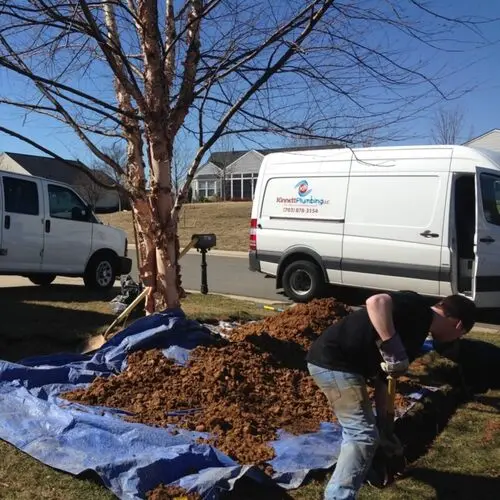
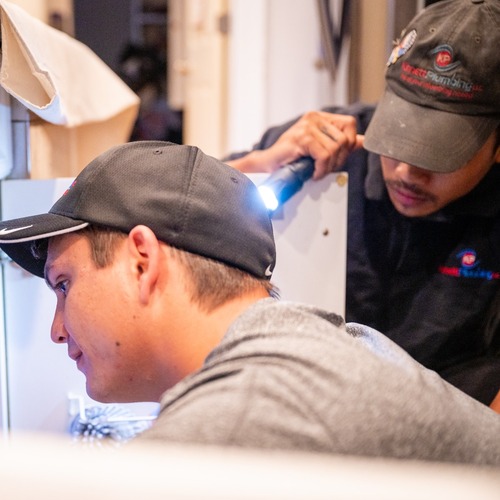
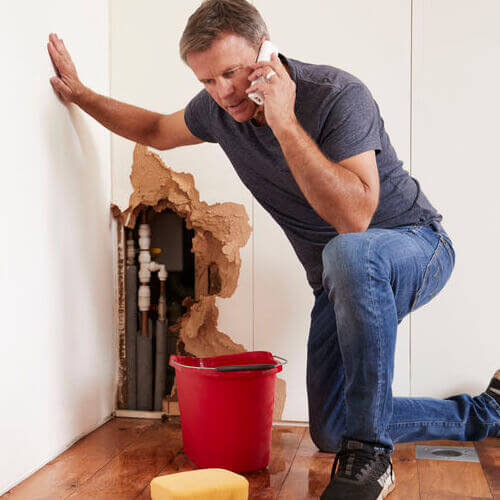






 Jennifer Bishop