
 Rated 4.9 (974) Reviews
Emergency Plumbing in Fairfax: What to Do Before a Plumber Arrives
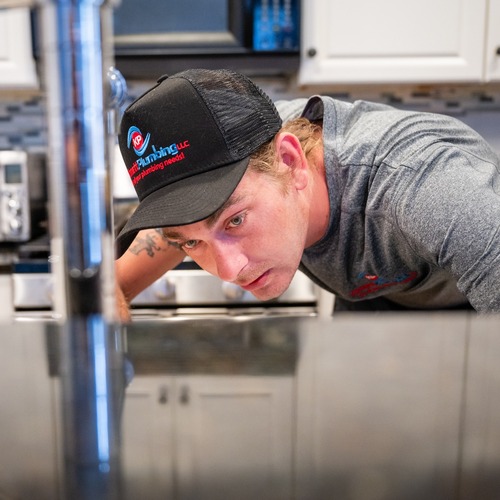
When water starts spraying or drains start backing up, panic can set in fast. If you’ve ever found yourself standing in a puddle in your bathroom or kitchen, you know how stressful it can be. That’s when you need an emergency plumber in Fairfax to save the day. But before the pros arrive, there are several simple and effective steps you can take to limit the damage and keep your home safe. The good news? You don’t need special tools or plumbing knowledge, just a calm head and a little guidance. Let’s walk through exactly what you should do when a plumbing emergency strikes and how to protect your home until help arrives.
What Counts as a Plumbing Emergency?
Not every leak or clog requires a late-night call, but certain situations do. Plumbing emergencies are any problems that can cause serious water damage, health hazards, or loss of essential plumbing services. Examples include burst or frozen pipes, sewer backups, overflowing toilets, leaking water heaters, and complete loss of water. These issues can escalate quickly and cause structural damage or mold growth if not handled right away. Knowing what qualifies as an emergency helps you act faster and get the right help on the way.
Step 1: Stay Calm and Assess the Situation
The first thing to do during a plumbing crisis is simple but crucial: stay calm. It’s easy to panic when water is gushing across the floor or dripping from the ceiling, but a clear head will help you think and act efficiently. Take a quick look around to identify where the problem is coming from. Is the water supply line leaking under the sink? Is the toilet overflowing? Is a pipe in the basement spraying water? The goal is to pinpoint the source so you can take targeted action to stop or slow the flow of water.
Step 2: Shut Off the Water Supply
Once you know what’s going on, the next step is to stop the flow of water. Most plumbing emergencies involve leaks or bursts that are made worse by pressurized water. The fastest way to control that is by shutting off the water supply. For localized issues, like a leaking sink or toilet, you can usually find a small shutoff valve nearby. Turn it clockwise to stop the flow. For example, look under your sink for a valve connected to the pipes or behind your toilet near the wall. If water is coming from an unknown or large source, go straight to your home’s main shutoff valve. It’s typically located in the basement, garage, or outside along an exterior wall. Turning this valve off will cut water to the entire house, stopping the flood and buying time until your plumber arrives.
Step 3: Turn Off the Water Heater
If your leak involves hot water or your water heater itself is making strange noises, turn off the water heater right away. This prevents the appliance from overheating or building pressure that could lead to more damage or even a dangerous situation. For electric water heaters, switch off the power at the breaker box. For gas units, find the dial near the bottom and set it to “pilot.” This step is often overlooked, but it’s essential for your safety and can prevent costly repairs.
Step 4: Open Drains and Outdoor Spigots
After shutting off your main water supply, open up the faucets around your home to help relieve any remaining pressure in the pipes. Start with lower-level faucets, like in your basement or first floor, and then move upward. This can help drain the remaining water out of your system. If you have an outdoor garden hose or spigot, open that too. Doing so helps direct leftover water safely outside instead of inside your home. Think of it as letting your plumbing system “breathe” after you’ve shut it off.
Step 5: Deal with Small Leaks and Puddles
Once the water has stopped flowing, you can focus on cleanup and temporary fixes. Grab some towels, rags, or a mop to soak up standing water and prevent it from seeping into flooring or walls. For active drips, place a bucket underneath to catch water and avoid further damage. If you can see the source of a leak in a pipe or fitting, you can wrap it with plumber’s tape, a rubber patch, or even a piece of duct tape as a temporary measure. These makeshift solutions won’t last long, but they’ll minimize the mess until your plumber gets there.
Step 6: Check for Electrical Hazards
Water and electricity don’t mix, and it’s important to think about safety beyond plumbing itself. If the leak is near electrical outlets, appliances, or wiring, shut off power to that area using your circuit breaker. Do not step into standing water if electrical systems are nearby. It’s always better to play it safe and let professionals inspect the area before you restore power.
Step 7: Clear the Area and Protect Your Belongings
Plumbing emergencies can cause significant property damage, but you can reduce losses by moving items away from the affected area. Pick up rugs, electronics, furniture, and anything else that could be damaged by water. If you can safely do so, use plastic bins or garbage bags to keep smaller items dry. If water has already soaked into carpets or furniture, blot and air dry as much as possible to prevent mold growth. The sooner you remove moisture, the better your chances of saving your belongings.
Step 8: Address Specific Emergencies
Every plumbing emergency is a little different. Here’s how to handle some of the most common ones while waiting for a professional.
Burst Pipes
A burst pipe can release gallons of water in minutes. Shut off your main water supply immediately, then open the faucets to relieve pressure. Turn on the heat if it’s winter to help prevent additional pipes from freezing. Use towels and buckets to collect water and minimize damage. If the pipe is visible, wrap it in a towel or cloth to contain the spray.
Overflowing Toilet
An overflowing toilet is one of the messiest plumbing issues. First, lift the tank lid and close the flapper valve to stop water from entering the bowl. Then, turn off the water valve located behind the toilet. If water has already spilled onto the floor, use old towels to soak it up and clean the area with disinfectant to prevent bacterial growth.
Leaking Water Heater
A leaking water heater can cause flooding and lead to major repair costs if ignored. Turn off the water supply line to the heater, then shut off the power or gas supply as mentioned earlier. Do not try to drain or repair the heater yourself. Just keep the area clear and wait for your plumber to inspect it.
Sewer Backup
If sewage is coming up through drains, toilets, or tubs, avoid using any plumbing fixtures in the house. Sewer water is contaminated and poses serious health risks. Keep everyone out of the affected area, turn off your main water supply, and call a plumber immediately. Do not attempt to use store-bought drain cleaners or plungers, as they can make the problem worse.
Step 9: Ventilate and Dry the Area
After the immediate emergency is under control, it’s time to focus on drying. Open windows, run fans, and use a dehumidifier if you have one. Mold can start growing within 24 to 48 hours in damp areas, so airflow is key. Wipe down any surfaces that got wet and avoid using your HVAC system if the leak was near vents or ductwork until a professional confirms it’s safe.
Step 10: Take Photos for Insurance
Before you start major cleanup or repairs, take pictures or videos of the damage. These will be invaluable for insurance claims if your policy covers water damage. Make sure to document affected floors, walls, furniture, and plumbing fixtures. Having clear records can help speed up reimbursement and ensure you’re fully compensated for the damage.
Step 11: Know When to Call 911
While most plumbing emergencies can be handled by a professional plumber, there are rare cases where emergency services are needed. If water is leaking near your electrical panel, if you smell gas, or if structural damage is occurring (like a collapsing ceiling), leave your home immediately and call 911. Safety should always come first.
Step 12: Communicate Clearly with Your Plumber
When your plumber is on the way, provide as much information as possible. Let them know where the problem is, what steps you’ve already taken, and whether the water is still running. The more details you share, the faster they can get to work when they arrive. Clear communication can also help ensure they bring the right tools and replacement parts.
Preventing Future Plumbing Emergencies
Once the immediate crisis is over, it’s worth taking time to prevent the next one. Many plumbing emergencies happen because of wear and tear, neglected maintenance, or cold weather. A few simple habits can make a big difference:
- Inspect pipes and hoses regularly. Look for drips, rust, or corrosion, especially under sinks and behind appliances.
- Insulate exposed pipes. In winter, foam pipe insulation can prevent freezing and bursting.
- Know where your shutoff valves are. Make sure everyone in your home knows how to turn off the water supply.
- Schedule annual plumbing checkups. Preventive maintenance from a professional can catch small issues before they turn into big problems.
- Avoid clogs. Don’t pour grease, coffee grounds, or food scraps down your drains. Use drain strainers to catch debris.
- Test your sump pump. If you have one, pour water into the pit to ensure it turns on correctly before storm season.
What Not to Do During a Plumbing Emergency
It’s just as important to know what not to do. Avoid these common mistakes:
- Don’t ignore small leaks. Even minor drips can waste gallons of water and lead to mold growth.
- Don’t use chemical drain cleaners. They can corrode your pipes and make future repairs more difficult.
- Don’t try to fix complex problems yourself. DIY fixes can make matters worse, especially with water heaters, sewer lines, or pressurized pipes.
- Don’t delay calling a professional. The sooner a licensed plumber arrives, the less damage you’ll face in the long run.
Why Choose Kinnett Plumbing for Emergency Repairs
When a plumbing disaster hits, you need more than just quick service; you need reliable, honest professionals who can get the job done right. That’s where Kinnett Plumbing comes in. Serving Woodbridge, VA, Fairfax, and the surrounding areas, our team is available 24/7 to handle any emergency plumbing repair. Whether it’s a burst pipe at midnight or a broken water heater on a holiday, we arrive fully equipped to diagnose and fix the issue on the spot. Our technicians are experienced, courteous, and committed to restoring comfort to your home or business as quickly as possible.
We believe in transparent, upfront pricing, so you’ll never have to worry about hidden fees or surprise costs. Our goal is to make stressful situations easier, not harder. From the moment you call, you’ll get friendly communication, expert guidance, and dependable results.
Stay Prepared and Don’t Panic
Plumbing emergencies can feel overwhelming, but a little preparation and quick thinking go a long way. Remember: shut off the water, protect your home, and call a professional as soon as possible. With the right approach, you can minimize damage and get your plumbing system back to normal faster than you might think.
If you ever find yourself facing a plumbing emergency in Fairfax, Woodbridge, or nearby areas, don’t hesitate, reach out to Kinnett Plumbing. Our dedicated team is ready around the clock to provide fast, reliable service when you need it most. Call today to get help from trusted experts who care about your home as much as you do.







 Jennifer Bishop