Sump Pump Maintenance Checklist: Protect Your Virginia Basement from Flooding
Sump pump maintenance is the routine inspection and testing of your sump pump system to ensure it removes groundwater effectively and prevents basement flooding. In Northern Virginia, especially in areas like Woodbridge, heavy rain and rising groundwater can overwhelm an unmaintained system. A simple 20 to 30 minute check every few months can prevent thousands of dollars in water damage.
Inspect and test your sump pump every 3 to 4 months
Always test before spring rains and hurricane season
Clean the pit and check the discharge line regularly
Replace aging pumps before they fail during a storm
Why Sump Pump Maintenance Matters in Northern Virginia
Your sump pump collects groundwater from around your foundation and pumps it safely away from your home. Without it, water can seep into your basement and cause structural damage, mold growth, and electrical hazards.
In Woodbridge and surrounding communities, heavy downpours and clay heavy soil can cause groundwater levels to rise quickly. When a sump pump fails during a storm, cleanup and repairs can easily reach several thousand dollars.
If you have experienced moisture issues before, scheduling routine residential plumbing maintenance is one of the smartest preventive steps you can take.
How a Sump Pump Works
A sump pump sits inside a pit called a sump basin, typically located at the lowest point of your basement or crawl space.
Groundwater collects in the sump basin.
A float switch rises with the water level.
When water reaches a set height, the pump activates.
Water is discharged through a pipe away from your foundation.
When properly maintained, this process is automatic and reliable. Problems occur when components clog, wear out, or lose power.
How Often Should You Inspect Your Sump Pump?
At minimum, inspect your sump pump:
Every 3 to 4 months
Before spring rainy season
Before hurricane or tropical storm season
After major storms
If your home depends heavily on the pump or has a history of flooding, monthly inspections are recommended.
Sump Pump Maintenance Checklist
Set aside about 20 to 30 minutes and follow these steps.
1. Confirm the Pump Has Power
Ensure it is securely plugged into a working outlet.
Avoid extension cords.
Use a ground fault circuit interrupter outlet if possible.
Check that any battery backup system is charging.
Loss of power is one of the most common causes of sump pump failure.
2. Test the Pump with Water
Slowly pour a bucket of water into the sump pit.
Watch the float switch rise.
Confirm the pump turns on automatically.
Ensure water drains quickly.
Verify the pump shuts off once water lowers.
If the pump does not activate, runs nonstop, or makes grinding noises, schedule professional sump pump repair immediately.
3. Inspect the Float Switch
The float switch controls when the pump turns on and off.
Ensure it moves freely.
Remove debris.
Check for tangled wires.
A stuck float can prevent activation or cause continuous running.
4. Clean the Sump Pit
Unplug the pump before cleaning.
Remove dirt, gravel, and debris by hand.
Clear sediment buildup around the intake screen.
Debris buildup reduces efficiency and increases wear.
5. Check the Discharge Line
Locate the exterior discharge point.
Remove leaves, mud, or obstructions.
Ensure water flows at least 10 to 20 feet from the foundation.
In winter, confirm the line is not frozen.
A blocked discharge line can force water back into your basement.
6. Listen for Unusual Sounds
A healthy pump produces a steady humming sound. Warning signs include:
Loud rattling
Grinding noises
Squealing
Excessive vibration
Mechanical wear should be addressed early to avoid total failure.
7. Inspect for Rust and Corrosion
Examine pump housing.
Check bolts and fittings.
Look for heavy corrosion.
Surface rust is common. Significant corrosion may signal replacement is needed.
8. Test the Battery Backup System
Virginia storms often cause power outages. A battery backup system keeps your pump running when electricity fails.
Confirm the battery is fully charged.
Follow manufacturer testing instructions.
Replace batteries every few years.
If you do not have a backup system, consider installing one before the next storm season.
Signs Your Sump Pump May Be Failing
Most sump pumps last 7 to 10 years. Watch for these warning signs:
Frequent cycling on and off
Continuous operation
Visible cracks or rust
Musty odors in the basement
Water pooling around the sump pit
If your system is aging and showing these symptoms, replacement may be more cost effective than repeated repairs.
Additional Flood Prevention Steps
Your sump pump is one layer of defense. Strengthen protection by:
Cleaning gutters and downspouts
Extending downspouts away from your foundation
Ensuring proper yard grading
Sealing foundation cracks
Installing a basement water alarm
Homes in Woodbridge with proper drainage systems experience significantly fewer basement water issues during heavy storms.
When to Call a Professional Plumber
Contact a licensed plumber if:
Your pump fails during testing
You notice electrical issues
Water is entering your basement
You need full sump pump replacement
You want a battery backup installed
During active flooding, do not delay. Immediate response from an emergency plumber in Woodbridge, VA can limit structural damage and mold growth.
Experience Insight from Local Plumbing Professionals
In our experience serving Northern Virginia homeowners, sump pump failures most often occur during the first major storm of the season. Systems that sit idle for months can develop stuck floats, dead batteries, or clogged discharge lines. A quick pre season inspection dramatically reduces emergency calls.
Preventive inspections cost far less than water damage restoration and mold remediation.
FAQ: Sump Pump Maintenance
How often should I test my sump pump?
You should test your sump pump every three to four months and before major storm seasons. Homes with a history of basement moisture or high groundwater levels may benefit from monthly inspections, especially during spring and hurricane season.
How long does a sump pump typically last?
Most sump pumps last between 7 and 10 years depending on usage, maintenance, and water volume. Pumps that run frequently or operate in sediment heavy pits may wear out sooner and should be monitored closely.
What happens if my sump pump fails during a power outage?
If your sump pump does not have a battery backup, it will stop working during a power outage. This is common during severe storms. Installing a battery backup system provides protection when you need it most.
Can I replace a sump pump myself?
Some homeowners can replace a sump pump, but proper sizing, discharge routing, and electrical setup are critical. Incorrect installation can lead to repeat flooding or code violations. Professional installation ensures reliable performance.
Bottom Line
Sump pump maintenance is one of the simplest and most cost effective ways to protect your Virginia basement from flooding. Regular inspections, basic cleaning, and backup system testing significantly reduce risk. Do not wait for heavy rain to discover a problem.
If you want peace of mind before the next storm, schedule a professional sump pump inspection with Kinnett Plumbing today.
A toilet that keeps running is usually caused by a worn flapper, faulty fill valve, misadjusted float, or chain problem inside the tank. When these parts fail, water continuously leaks from the tank into the bowl, forcing the fill valve to run nonstop. This can waste 200 to 1,000 gallons of water per day and significantly increase your utility bill. The good news is that most running toilets can be fixed quickly and affordably.
Running toilets can waste hundreds of gallons daily
Most repairs cost under $40 in parts
Flapper failure is the most common cause
Ignoring the issue can lead to higher water and sewer bills
Why Does a Toilet Keep Running?
A running toilet happens when water continuously flows from the tank into the bowl after a flush. The tank cannot properly seal or shut off, so the fill valve keeps refilling it. This creates a constant cycle of water movement.
Most Common Causes
Worn flapper
Loose or tangled chain
Faulty fill valve
Float set too high
Cracked overflow tube
The toilet tank acts as the control center. If one small component fails, the system cannot shut off correctly.
How Much Does a Running Toilet Cost You?
A leaking toilet can waste between 200 and 1,000 gallons of water per day. Even a slow leak adds up quickly.
Leak Severity
Estimated Monthly Cost
Minor Leak
$30 to $50
Moderate to Severe Leak
$100 or more
If you are connected to city sewer, you also pay sewer charges based on water usage. If you are on septic, excess water stresses your drain field. In both cases, ignoring the issue costs more over time.
If you are already seeing unexplained water bill increases, it may be time to schedule a professional plumbing inspection.
How to Tell If Your Toilet Is Leaking
Simple Food Coloring Test
Remove the tank lid carefully.
Add several drops of food coloring to the tank water.
Wait 15 minutes without flushing.
Check the bowl for colored water.
If color appears in the bowl, water is leaking past the flapper.
How to Fix a Running Toilet
1. Replace the Flapper
The flapper is the rubber seal at the bottom of the tank. Over time it can warp, crack, or lose flexibility.
Turn off the water supply valve.
Flush to drain the tank.
Unhook and remove the old flapper.
Match it at the hardware store.
Install the new flapper and reconnect the chain.
Turn water back on and test.
Most flappers cost under $15 and take less than 30 minutes to replace.
2. Adjust the Chain
The lift chain should have slight slack. If it is too tight, the flapper cannot seal. If too loose, it may get caught underneath.
Make small adjustments and retest after each change.
3. Adjust the Float
The float controls the tank’s water level. If set too high, water spills into the overflow tube.
Turn the adjustment screw on newer fill valves
Bend the float arm slightly on older models
The proper water level sits about one inch below the overflow tube.
4. Replace the Fill Valve
If you hear constant hissing, the fill valve may be failing. Replacement parts usually cost $20 to $40. Many homeowners can handle this repair, but if you are unsure, a professional toilet repair service can resolve it quickly.
When to Call a Professional Plumber
Some situations require expert help:
Cracked tank or bowl
Persistent leaking after replacing parts
Corroded internal components
Water pressure issues
If your toilet is older, upgrading to a high efficiency model may reduce long term water costs. In more urgent situations involving overflow or active leaking, contact an emergency plumber in Woodbridge, VA immediately.
Why You Should Not Ignore a Running Toilet
Higher water and sewer bills
Increased wear on plumbing parts
Risk of hidden leaks
Potential water damage
In our experience servicing homes throughout Woodbridge, small toilet leaks are often dismissed for months. Homeowners are frequently surprised when we calculate how much water has been wasted. Addressing the issue early prevents larger plumbing repairs later.
If you are experiencing multiple fixture problems, it may indicate a broader issue requiring professional residential plumbing services.
FAQ: Running Toilet Questions
How much water does a running toilet waste per day?
A continuously running toilet can waste between 200 and 1,000 gallons per day depending on the severity of the leak. Even a slow leak may add hundreds of gallons weekly, significantly increasing both water and sewer charges.
Is a running toilet an emergency?
A running toilet is not always an immediate emergency, but it should be repaired quickly. If the toilet is overflowing, leaking onto the floor, or causing water damage, it becomes an urgent plumbing issue requiring immediate professional attention.
Can I fix a running toilet myself?
Yes. Most running toilet problems involve replacing a flapper, adjusting a chain, or replacing a fill valve. These are affordable parts and manageable DIY repairs. If the issue persists after basic fixes, professional diagnosis is recommended.
How long does it take to fix a running toilet?
Simple repairs like replacing a flapper typically take 20 to 30 minutes. Fill valve replacements may take up to an hour. A licensed plumber can usually complete diagnosis and repair during a single service visit.
Bottom Line
A running toilet is more than an annoying sound. It is wasted water, higher utility bills, and unnecessary strain on your plumbing system. Most causes are simple and inexpensive to fix. Addressing the problem quickly saves money and prevents larger repairs.
If your toilet will not stop running and you want it handled correctly the first time, Kinnett Plumbing is ready to help homeowners in Woodbridge, VA and surrounding areas with fast, reliable solutions.
Choosing between a tankless water heater and a traditional tank water heater is one of the most important decisions Virginia homeowners make when upgrading their plumbing system. The biggest difference comes down to cost over time: traditional water heaters are usually cheaper upfront, while tankless water heaters often save more money long term through energy efficiency, longer lifespan, and reduced heat loss.
For homeowners in Northern Virginia, where energy costs and home sizes vary widely, the best option depends on your household’s hot water usage, budget, and how long you plan to stay in your home.
Quick Answer: Which Water Heater Saves More Money?
In most cases:
Traditional water heaters cost less to install initially
Tankless water heaters cost more upfront but can lower monthly energy bills
Tankless systems typically last nearly twice as long
Long-term homeowners often see greater savings with tankless
How Traditional Water Heaters Work
A traditional water heater stores hot water in a large tank and keeps it heated 24/7.
Basic process:
Cold water enters the tank
Gas or electric burners heat the water
Hot water is stored until needed
The tank refills and reheats after use
Because the system constantly maintains temperature, it uses energy even when no hot water is being used.
How Tankless Water Heaters Work
A tankless water heater heats water only when you turn on a faucet or appliance.
On-demand process:
You open a hot water tap
Cold water flows through the unit
Heating elements warm the water instantly
Hot water is delivered continuously
With no storage tank, energy is only used when hot water is needed.
Upfront Cost Comparison in Virginia
The first financial difference is purchase and installation cost.
Traditional Water Heater Costs
Lower unit price
Easier replacement in most homes
Minimal installation changes
Tankless Water Heater Costs
Higher equipment cost
Installation may require gas line or electrical upgrades
More labor involved
Chart: Typical Upfront Cost Differences
System Type
Purchase Cost
Installation Complexity
Best For
Traditional Tank
Lower
Simple
Budget-focused homeowners
Tankless On-Demand
Higher
Moderate to advanced
Long-term efficiency seekers
Traditional systems are usually more affordable for short-term homeowners or quick replacements.
Energy Efficiency and Monthly Utility Savings
Energy use is where tankless systems often outperform traditional tanks.
Traditional Tank Efficiency
Traditional heaters experience standby heat loss, meaning energy is used to keep stored water hot all day.
Tankless Efficiency
Tankless units eliminate standby loss by heating water only when needed.
Efficiency takeaway:
Tankless systems are generally more energy efficient
Traditional tanks can waste energy when idle
Savings depend heavily on household size and hot water habits
Smaller and moderate-use households in Virginia often see the biggest reduction in energy bills.
Lifespan and Replacement Costs
Many homeowners overlook how replacement timelines affect total cost.
Average Lifespan
Water Heater Type
Typical Lifespan
Traditional Tank
8 to 12 years
Tankless System
15 to 20+ years
Tankless systems usually last much longer, meaning fewer replacements and installation costs over time.
Maintenance Requirements in Virginia Homes
Both systems need regular maintenance, especially with Virginia’s mineral-heavy water in some areas.
Traditional Tank Maintenance
Periodic tank flushing
Sediment removal improves efficiency
Neglect can shorten lifespan
Tankless Maintenance
Annual descaling recommended
Filter cleaning may be required
Hard water increases maintenance importance
Routine professional service extends the life of either system.
Hot Water Comfort and Supply
Comfort affects satisfaction as much as cost.
Traditional Water Heater
Limited hot water supply
Can run out during heavy usage
Requires recovery time to reheat
Tankless Water Heater
Continuous hot water delivery
Ideal for long showers
Must be properly sized for demand
Large Virginia households may require multiple units or a higher-capacity system.
Best Choice Based on Virginia Household Size
Different home types benefit from different systems.
Tankless May Save More Money For:
Smaller households
Townhomes or condos
Homes with staggered hot water use
Homeowners planning to stay long term
Traditional May Make More Sense For:
Large families with constant hot water demand
Homes already configured for tank systems
Homeowners moving within a few years
A licensed plumber can calculate the best fit based on gallons-per-minute needs.
Rebates and Incentives for Tankless Water Heaters
Virginia homeowners may qualify for savings through:
Utility company rebates
Federal energy efficiency tax credits
Manufacturer promotions
These incentives can help offset the higher upfront cost of tankless installation.
Final Verdict: Tankless vs. Traditional Water Heater Savings
So which saves more money?
Traditional water heaters win for:
Lower upfront cost
Faster, simpler installation
Short-term affordability
Tankless water heaters win for:
Better energy efficiency
Longer lifespan
Potential long-term savings
If you plan to stay in your home for 10+ years, tankless often provides the best return on investment.
Why Professional Guidance Matters
Water heater savings depend heavily on correct sizing and installation.
A licensed plumber can:
Evaluate your household hot water demand
Recommend the most cost-effective system
Ensure safe installation and code compliance
Provide long-term maintenance support
Improper installation can eliminate efficiency gains and increase repair risk.
Call Kinnett Plumbing for Water Heater Installation in Woodbridge, VA
If you are deciding between a tankless or traditional water heater, Kinnett Plumbing provides trusted, professional guidance for homeowners throughout Woodbridge, VA and Northern Virginia.
We offer:
Honest recommendations based on your home
Expert installation and replacement
Routine maintenance and descaling
24/7 emergency plumbing repairs
If you need a new water heater or fast emergency service, contact Kinnett Plumbing today for reliable help from local professionals who treat your home with care.
If you are wondering why your drain smells, the most common causes are a dry P-trap, buildup of food or soap residue, bacteria growth, garbage disposal debris, or sewer and venting problems. Drain odors often happen when trapped organic material breaks down or when sewer gases escape into your home through plumbing fixtures.
The good news is that most smelly drains can be fixed with simple drain cleaning and maintenance. However, persistent sewage odors or smells coming from multiple drains may signal a larger plumbing issue that requires a professional plumber.
Why a Smelly Drain Should Never Be Ignored
Drain odors are more than just unpleasant. They can indicate:
Bacteria and organic buildup inside pipes
Sewer gas entering the home
Hidden plumbing leaks or moisture problems
Blockages in the main sewer line
Ignoring the smell can lead to:
Worsening clogs
Water damage under sinks
Mold growth
Costly sewer repairs
The Most Common Causes of Drain Smells
Below are the most frequent reasons homeowners notice foul odors coming from sinks, showers, tubs, or floor drains.
1. Dry or Empty P-Trap (Most Common Cause)
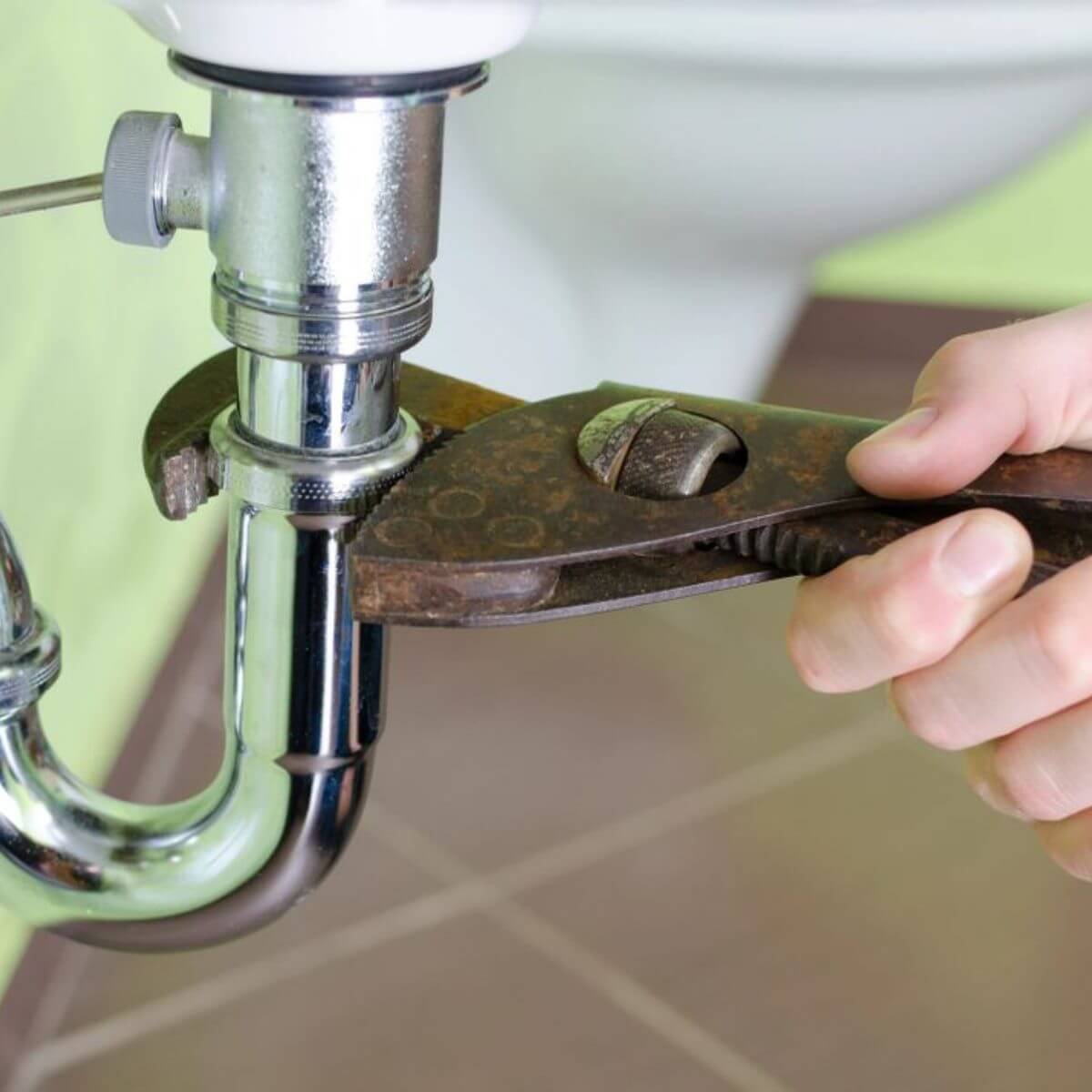
Every drain has a curved pipe underneath called a P-trap. It holds a small amount of water that blocks sewer gases from coming back up.
If the water evaporates, odors can rise directly into the room.
Common in:
Guest bathrooms
Basement floor drains
Laundry room sinks
Unused showers
How to fix it:
Run water down the drain for 30 seconds
Flush unused toilets weekly
Pour a cup of water into floor drains monthly
If the smell disappears afterward, a dry P-trap was the issue.
2. Buildup of Food, Soap, Grease, and Hair
Over time, drains collect organic residue such as:
Grease and oil
Food particles
Soap scum
Toothpaste
Hair
This material sticks to pipe walls and feeds odor-causing bacteria.
Odor type: sour, rotten, or rancid
Prevention tips:
Never pour grease down the sink
Use drain strainers in kitchens and showers
Flush drains weekly with hot water
3. Garbage Disposal Odors
If your kitchen drain smells like rotting food, the garbage disposal is often to blame. Food debris can get trapped under the rubber splash guard or inside the grinding chamber.
Signs of disposal odor:
Smell is strongest right after running water
Odor resembles spoiled food, not sewage
Cleaning steps:
Turn off the disposal power
Scrub under the rubber guard
Run ice cubes with dish soap
Rinse thoroughly with hot water
4. Bacteria Growth in Bathroom Drains
Bathroom drains provide the perfect environment for bacteria:
Warm moisture
Soap residue
Hair buildup
This can create a musty or mildew-like odor, especially after showering.
Best solutions:
Clean shower and sink drains monthly
Use enzyme-based drain cleaners
Improve bathroom ventilation
5. Sewer Line Problems (Serious Issue)
A strong sewage smell coming from multiple fixtures may indicate a sewer line problem rather than a single drain.
Possible causes include:
Cracked sewer pipes
Tree root intrusion
Main sewer blockages
Sewer backups
Warning signs:
Odors in several rooms
Slow drains throughout the home
Gurgling toilets or sinks
Wastewater backing up
These situations require immediate professional plumbing help.
6. Plumbing Vent Problems
Plumbing vents release sewer gases safely through the roof. If a vent is blocked, gases can be forced back through drains.
Vent issues may cause:
Persistent sewer smells
Gurgling drains
Slow drainage
Blockages are often caused by:
Leaves and debris
Animal nests
Damaged vent pipes
Because vents are usually on the roof, this is best handled by an experienced plumber.
7. Mold or Mildew Around the Drain
Sometimes the smell is not inside the pipe at all. Moisture leaks under sinks or around fixtures can lead to mold growth.
Odor type: earthy, damp, musty
What to check:
Discoloration around drain openings
Soft or warped cabinet wood
Musty smell under the sink
Fixing leaks early prevents mold and odor spread.
Quick Chart: Drain Smell Causes and Solutions
Smell Type
Most Likely Cause
Best Fix
Sewage odor
Dry P-trap or sewer line issue
Run water or call plumber
Rotten food smell
Garbage disposal buildup
Deep clean disposal
Sour or rancid smell
Grease and organic pipe buildup
Hot water flush and cleaning
Musty mildew smell
Bacteria or mold growth
Enzyme cleaner and ventilation
Odor from multiple drains
Sewer or venting problem
Professional inspection
DIY Drain Odor Solutions That Actually Work
For mild drain smells, homeowners can safely try:
Pour boiling water down the drain weekly
Use baking soda + vinegar, then rinse with hot water
Clean stoppers, drain covers, and overflow openings
Keep hair and debris out with strainers
Avoid harsh chemical drain cleaners, as they can damage pipes and do not fix deeper problems.
When Drain Smells Mean You Should Call a Plumber
Some odors signal a bigger plumbing issue.
Call a plumber immediately if you notice:
Strong sewage smells that do not go away
Odors from multiple drains at once
Slow drainage and gurgling noises
Water backups in sinks or tubs
Signs of leaks or water damage
A licensed plumber can inspect the full system and prevent expensive repairs.
How Professional Plumbers Eliminate Drain Odors Permanently
Professional plumbing services go beyond surface cleaning. A plumber may:
Inspect P-traps and venting
Clear drain lines with professional equipment
Check sewer connections and main line health
Repair cracked pipes or leaks
Replace worn components
This ensures odors do not return.
Emergency Plumbing Situations and Drain Odors
Sudden, severe drain odors combined with flooding or backups may indicate an emergency such as:
Sewer backup
Burst pipe
Major blockage
Failing water heater
In Woodbridge, VA and surrounding areas, emergency plumbing service is essential to prevent damage and restore safety quickly.
Keeping Your Drains Fresh Long Term
Preventing drain smells is easier than fixing them later.
Long-term drain care tips:
Run water in unused drains monthly
Avoid grease, food scraps, and hair buildup
Address slow drains early
Schedule routine plumbing inspections
Watch for moisture under sinks
When to Call Kinnett Plumbing in Woodbridge, VA
If you have been asking why does my drain smell, the cause may range from a simple dry P-trap to a serious sewer or venting issue. While some odors can be solved at home, persistent smells require professional expertise.
If you are in Woodbridge, VA or nearby and need help with drain odors, clogs, or emergency plumbing repairs, Kinnett Plumbing is ready to help with fast, reliable service and honest pricing.
Do not wait for a small smell to become a major plumbing problem. Contact Kinnett Plumbing today to keep your home clean, safe, and odor-free.
If you have ever stepped into the shower expecting a refreshing rinse and instead gotten a weak trickle, you already know how frustrating low water pressure can be. Water pressure is the force that moves water through your plumbing system. When that force drops, everything from showers to appliances can feel slower and less effective.
This complete guide explains the most common causes of low water pressure, how to diagnose the issue step by step, and which permanent solutions actually fix the problem long term. If you are in Woodbridge, VA or surrounding Northern Virginia areas, this also helps you know when it is time to call a professional.
What Is Considered Low Water Pressure?
Water pressure is measured in PSI, which stands for pounds per square inch. Most homes operate comfortably between 40 and 60 PSI. When pressure drops below this range, you may notice slow-filling sinks, weak showers, or appliances that take longer to run.
Common Signs of Low Water Pressure
Showers that do not rinse shampoo well
Faucets that sputter or fill slowly
Washing machines that struggle to complete cycles
Sprinklers that barely spray or have uneven coverage
If the issue happens at one fixture only, the cause is usually local. If it happens throughout the house, the problem is usually affecting your system as a whole.
Low pressure in several fixtures on the same floor
Partially closed valve, branch line buildup
Check shut-off valves and consider inspection
Low pressure everywhere in the home
Main valve partly closed, PRV issue, leak, supply issue
Check main valve, test PSI, look for leak signs
Pressure drops at certain times of day
Municipal demand peaks or supply fluctuations
Ask neighbors and test PSI at different times
Sudden pressure change across the whole house
PRV failure, new leak, supply event
Test PSI and contact a plumber for diagnosis
Schedule a water pressure diagnostic. If your pressure is low throughout the house or changed suddenly, a professional inspection can prevent leaks and costly damage.
Low water pressure always has a cause. Identifying the source is the fastest path to a real fix.
Clogged Pipes and Mineral Buildup
Minerals from hard water can build up inside pipes over time, reducing the diameter water can flow through. This is especially common in older homes and in homes with galvanized steel piping.
Common signs:
Gradually worsening pressure over months or years
Rust-colored water when turning on a faucet
Reduced flow even after cleaning fixtures
Faulty or Partially Closed Shut-Off Valves
If the main shut-off valve is not fully open, it restricts flow to the whole home. This can happen after plumbing work, a water heater replacement, or a previous shut-off event. This is one of the easiest and most overlooked causes to check.
Municipal Water Supply Issues
Sometimes low pressure is caused by the city supply and not your plumbing. Pressure can drop due to maintenance work, high demand during peak hours, aging infrastructure, or a nearby water main break.
If neighbors are noticing the same issue, that is a strong sign the cause is external.
Leaks Somewhere in the System
Leaks do not always create obvious puddles. Hidden leaks behind walls, under slabs, or in crawl spaces can reduce pressure while causing damage over time.
Common leak warning signs:
Unexpected increases in water bills
Damp spots on walls or floors
Musty or moldy odors
Sound of running water when no fixtures are on
Pressure Regulator Failure (PRV)
Many homes have a pressure-reducing valve that keeps incoming water pressure at a safe level. If the PRV fails, pressure can become too low or fluctuate unexpectedly across the home.
How to Diagnose Low Water Pressure Step by Step
Before making repairs, confirm what is happening and where. A systematic approach helps avoid wasted time and unnecessary replacements.
Step 1: Check Individual Fixtures
Test multiple faucets and showers. If only one fixture has low pressure, the cause is usually a clogged aerator, a dirty showerhead, or a localized plumbing issue.
Remove the aerator or showerhead and clean out debris or mineral deposits.
Step 2: Check the Main Shut-Off Valve
Locate the main shut-off valve and confirm it is fully open. Turn it gently counterclockwise until it stops. Also check secondary shut-off valves near water heaters and under sinks.
Step 3: Test Water Pressure With a Gauge
A water pressure gauge is inexpensive and easy to use. Attach it to an outdoor spigot or a laundry connection and record the PSI.
PSI Readings and What They Usually Mean
Gauge Reading
What It Indicates
Recommended Action
Below 40 PSI
Low pressure confirmed
Continue diagnosing valves, leaks, PRV, or supply
40 to 60 PSI
Normal range
Problem may be fixture-specific or flow-related
Above 60 PSI
Higher than typical
Consider PRV inspection to prevent damage
Step 4: Look for Signs of Leaks
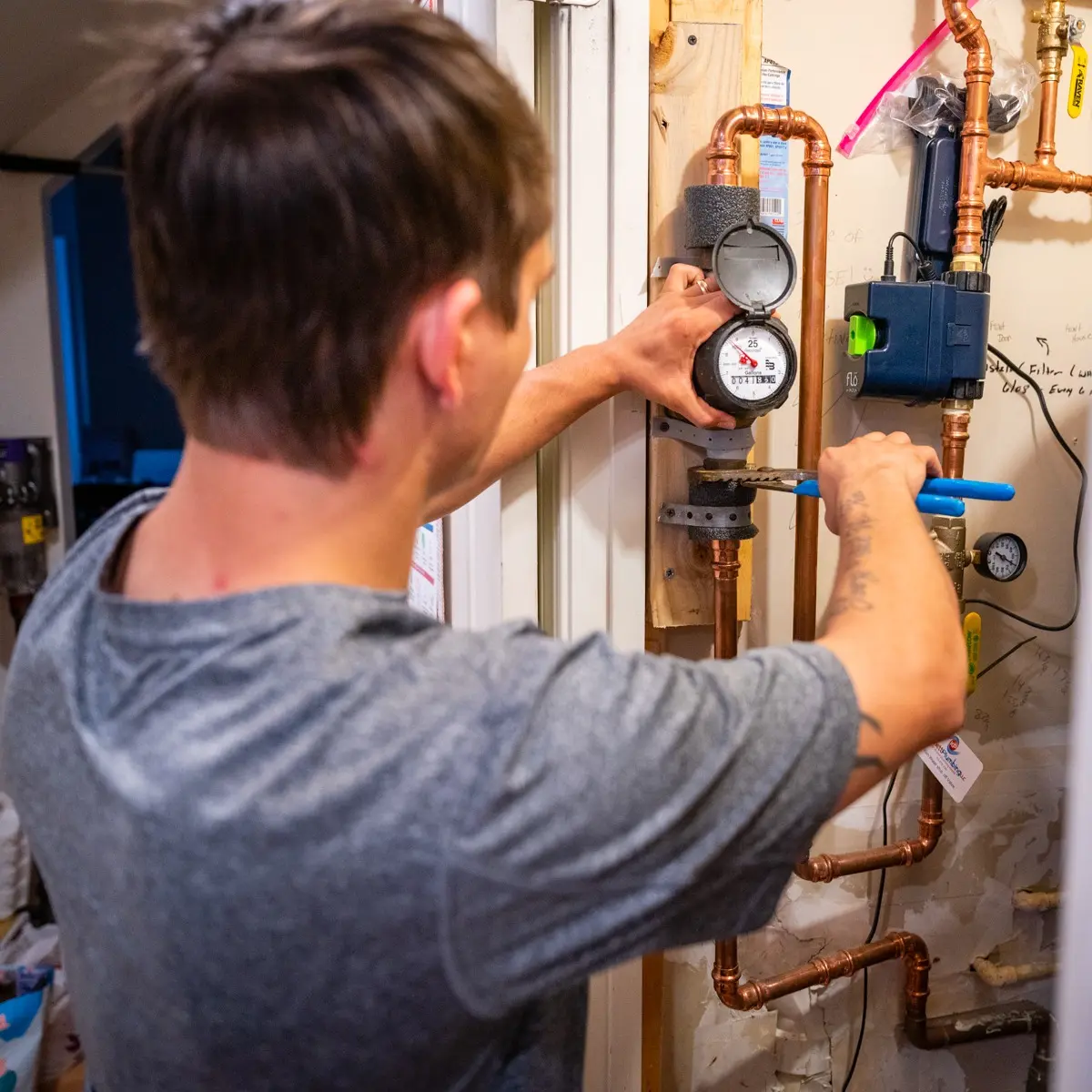
Listen for water movement when everything is off. Check your water meter. If it moves when no water is running, a leak is likely present.
Step 5: Call a Professional for Advanced Diagnosis
If you cannot pinpoint the cause, professional tools like leak detection equipment and camera inspections can identify hidden problems quickly and accurately.
Get an expert diagnosis before replacing parts. If your PSI is below 40 or you suspect a hidden leak, schedule professional testing to avoid unnecessary repairs.
Some improvements help right away but do not address the underlying cause. Permanent solutions depend on what is actually failing.
Temporary Fixes That May Help Short Term
Cleaning aerators and showerheads
Confirming all shut-off valves are fully open
Replacing clogged fixture parts
Adjusting or replacing a problematic showerhead
Permanent Solutions That Actually Solve the Problem
Replacing old or corroded pipes
Installing a new pressure regulator (PRV)
Repairing hidden leaks
Upgrading outdated plumbing systems
Installing a booster pump when municipal pressure is consistently low
When a Booster Pump Makes Sense
In some homes, the city does not deliver enough pressure for consistent performance, especially in multi-story homes or properties far from main supply lines. A booster pump increases incoming pressure and distributes it more evenly.
Benefits of booster pumps include:
More consistent pressure on all floors
Better appliance performance
Improved shower and faucet experience
Booster pump installation should be handled by a professional to avoid damaging your plumbing system and to ensure proper settings and safe operation.
The Risks of Ignoring Low Water Pressure
Low water pressure is not just inconvenient. It can be an early warning sign of a bigger problem that gets worse over time.
Leaks that grow into water damage
Corrosion that spreads through pipes
Reduced appliance lifespan and performance
Mold growth from hidden moisture
Higher long-term repair costs
Why Professional Plumbing Help Matters
Plumbing systems have multiple connected components. What feels like a simple pressure issue can involve pipes, valves, regulators, leaks, or the municipal supply.
A professional plumber provides:
Accurate diagnosis
Specialized tools and equipment
Code-compliant repairs
Long-term solutions instead of guesswork
Safety and peace of mind
How Kinnett Plumbing Helps Homeowners Restore Water Pressure
If you are dealing with low water pressure or a sudden plumbing emergency, having a trusted professional matters. Kinnett Plumbing has years of experience helping homeowners in Woodbridge, VA, and surrounding areas diagnose and permanently fix plumbing issues.
Our team explains what we find, outlines your options clearly, and provides honest pricing so you can make the right decision for your home.
Ready to fix low water pressure for good? Schedule service with Kinnett Plumbing to get a clear diagnosis and a permanent solution.
Contact Us Today
Low water pressure does not have to be a mystery or a permanent annoyance. With the right diagnosis and proper repairs, your plumbing system can work the way it was meant to.
When a plumbing emergency strikes in Woodbridge, VA and surrounding areas, you need a reliable plumber who can respond quickly and efficiently. Whether you are dealing with a burst pipe, an overflowing toilet, or a failing water heater, fast action is essential to minimize damage and restore your plumbing system.
If low water pressure or any plumbing problem is disrupting your day, contact us and schedule service with professionals who treat your home with care.
A member of our team will be in touch shortly to confirm your contact details or address questions you may have.
[contact-form-7 id="104" title="Contact form 1"]
Proudly Serving Manassas, VA and Surrounding Areas

 Rated 4.9 (811) Reviews






 Jennifer Bishop