
 Rated 4.9 (974) Reviews
Sump Pump Maintenance Checklist: Protect Your Virginia Basement from Flooding
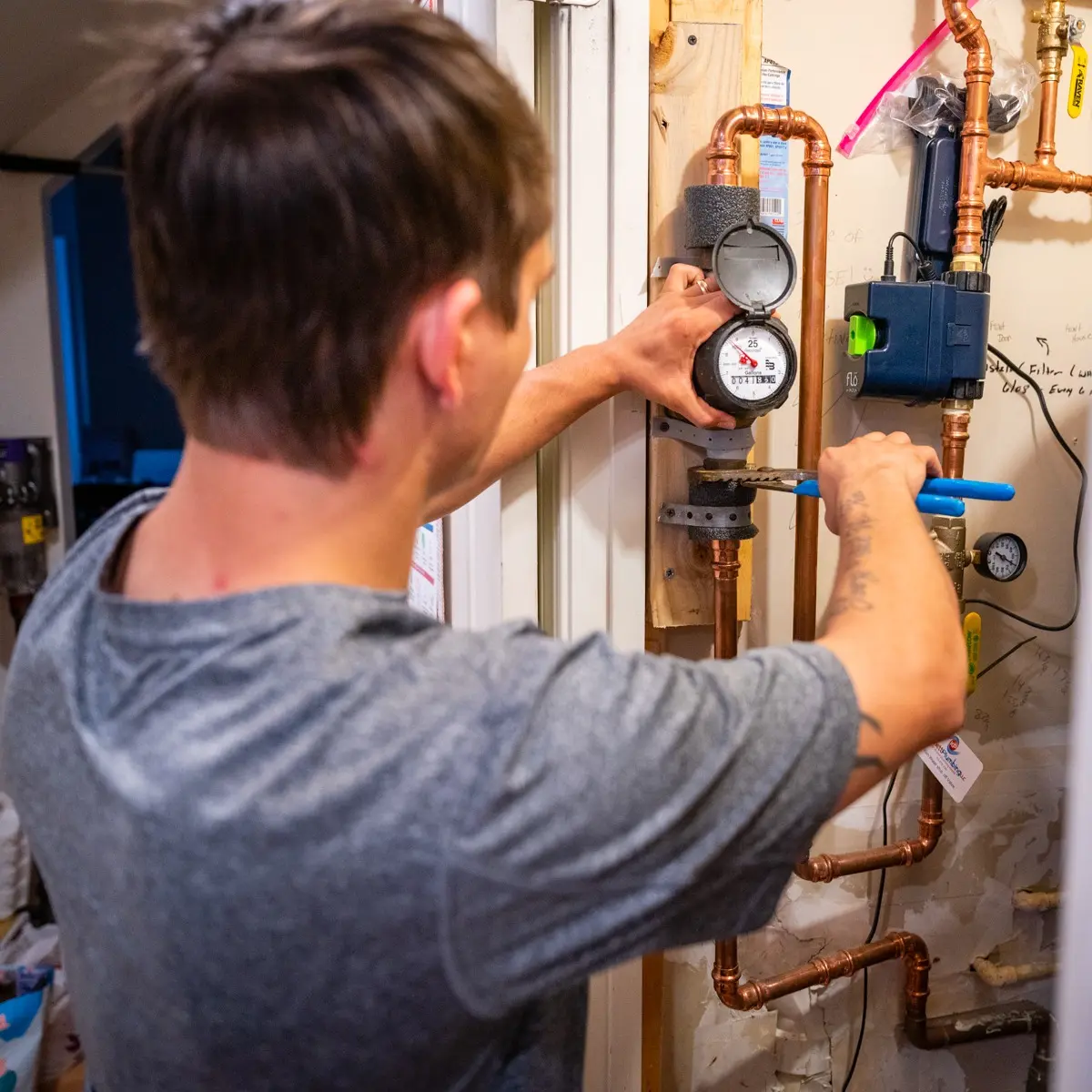
Sump Pump Maintenance Checklist: Protect Your Virginia Basement from Flooding
Sump pump maintenance is the routine inspection and testing of your sump pump system to ensure it removes groundwater effectively and prevents basement flooding. In Northern Virginia, especially in areas like Woodbridge, heavy rain and rising groundwater can overwhelm an unmaintained system. A simple 20 to 30 minute check every few months can prevent thousands of dollars in water damage.
- Inspect and test your sump pump every 3 to 4 months
- Always test before spring rains and hurricane season
- Clean the pit and check the discharge line regularly
- Replace aging pumps before they fail during a storm
Why Sump Pump Maintenance Matters in Northern Virginia
Your sump pump collects groundwater from around your foundation and pumps it safely away from your home. Without it, water can seep into your basement and cause structural damage, mold growth, and electrical hazards.
In Woodbridge and surrounding communities, heavy downpours and clay heavy soil can cause groundwater levels to rise quickly. When a sump pump fails during a storm, cleanup and repairs can easily reach several thousand dollars.
If you have experienced moisture issues before, scheduling routine residential plumbing maintenance is one of the smartest preventive steps you can take.
How a Sump Pump Works
A sump pump sits inside a pit called a sump basin, typically located at the lowest point of your basement or crawl space.
- Groundwater collects in the sump basin.
- A float switch rises with the water level.
- When water reaches a set height, the pump activates.
- Water is discharged through a pipe away from your foundation.
When properly maintained, this process is automatic and reliable. Problems occur when components clog, wear out, or lose power.
How Often Should You Inspect Your Sump Pump?
At minimum, inspect your sump pump:
- Every 3 to 4 months
- Before spring rainy season
- Before hurricane or tropical storm season
- After major storms
If your home depends heavily on the pump or has a history of flooding, monthly inspections are recommended.
Sump Pump Maintenance Checklist
Set aside about 20 to 30 minutes and follow these steps.
1. Confirm the Pump Has Power
- Ensure it is securely plugged into a working outlet.
- Avoid extension cords.
- Use a ground fault circuit interrupter outlet if possible.
- Check that any battery backup system is charging.
Loss of power is one of the most common causes of sump pump failure.
2. Test the Pump with Water
- Slowly pour a bucket of water into the sump pit.
- Watch the float switch rise.
- Confirm the pump turns on automatically.
- Ensure water drains quickly.
- Verify the pump shuts off once water lowers.
If the pump does not activate, runs nonstop, or makes grinding noises, schedule professional sump pump repair immediately.
3. Inspect the Float Switch
The float switch controls when the pump turns on and off.
- Ensure it moves freely.
- Remove debris.
- Check for tangled wires.
A stuck float can prevent activation or cause continuous running.
4. Clean the Sump Pit
- Unplug the pump before cleaning.
- Remove dirt, gravel, and debris by hand.
- Clear sediment buildup around the intake screen.
Debris buildup reduces efficiency and increases wear.
5. Check the Discharge Line
- Locate the exterior discharge point.
- Remove leaves, mud, or obstructions.
- Ensure water flows at least 10 to 20 feet from the foundation.
- In winter, confirm the line is not frozen.
A blocked discharge line can force water back into your basement.
6. Listen for Unusual Sounds
A healthy pump produces a steady humming sound. Warning signs include:
- Loud rattling
- Grinding noises
- Squealing
- Excessive vibration
Mechanical wear should be addressed early to avoid total failure.
7. Inspect for Rust and Corrosion
- Examine pump housing.
- Check bolts and fittings.
- Look for heavy corrosion.
Surface rust is common. Significant corrosion may signal replacement is needed.
8. Test the Battery Backup System
Virginia storms often cause power outages. A battery backup system keeps your pump running when electricity fails.
- Confirm the battery is fully charged.
- Follow manufacturer testing instructions.
- Replace batteries every few years.
If you do not have a backup system, consider installing one before the next storm season.
Signs Your Sump Pump May Be Failing
Most sump pumps last 7 to 10 years. Watch for these warning signs:
- Frequent cycling on and off
- Continuous operation
- Visible cracks or rust
- Musty odors in the basement
- Water pooling around the sump pit
If your system is aging and showing these symptoms, replacement may be more cost effective than repeated repairs.
Additional Flood Prevention Steps
Your sump pump is one layer of defense. Strengthen protection by:
- Cleaning gutters and downspouts
- Extending downspouts away from your foundation
- Ensuring proper yard grading
- Sealing foundation cracks
- Installing a basement water alarm
Homes in Woodbridge with proper drainage systems experience significantly fewer basement water issues during heavy storms.
When to Call a Professional Plumber
Contact a licensed plumber if:
- Your pump fails during testing
- You notice electrical issues
- Water is entering your basement
- You need full sump pump replacement
- You want a battery backup installed
During active flooding, do not delay. Immediate response from an emergency plumber in Woodbridge, VA can limit structural damage and mold growth.
Experience Insight from Local Plumbing Professionals
In our experience serving Northern Virginia homeowners, sump pump failures most often occur during the first major storm of the season. Systems that sit idle for months can develop stuck floats, dead batteries, or clogged discharge lines. A quick pre season inspection dramatically reduces emergency calls.
Preventive inspections cost far less than water damage restoration and mold remediation.
FAQ: Sump Pump Maintenance
How often should I test my sump pump?
You should test your sump pump every three to four months and before major storm seasons. Homes with a history of basement moisture or high groundwater levels may benefit from monthly inspections, especially during spring and hurricane season.
How long does a sump pump typically last?
Most sump pumps last between 7 and 10 years depending on usage, maintenance, and water volume. Pumps that run frequently or operate in sediment heavy pits may wear out sooner and should be monitored closely.
What happens if my sump pump fails during a power outage?
If your sump pump does not have a battery backup, it will stop working during a power outage. This is common during severe storms. Installing a battery backup system provides protection when you need it most.
Can I replace a sump pump myself?
Some homeowners can replace a sump pump, but proper sizing, discharge routing, and electrical setup are critical. Incorrect installation can lead to repeat flooding or code violations. Professional installation ensures reliable performance.
Bottom Line
Sump pump maintenance is one of the simplest and most cost effective ways to protect your Virginia basement from flooding. Regular inspections, basic cleaning, and backup system testing significantly reduce risk. Do not wait for heavy rain to discover a problem.
If you want peace of mind before the next storm, schedule a professional sump pump inspection with Kinnett Plumbing today.







 Jennifer Bishop