
 Rated 4.9 (811) Reviews
Why Does My Drain Smell? Common Causes and How to Eliminate Drain Odors for Good
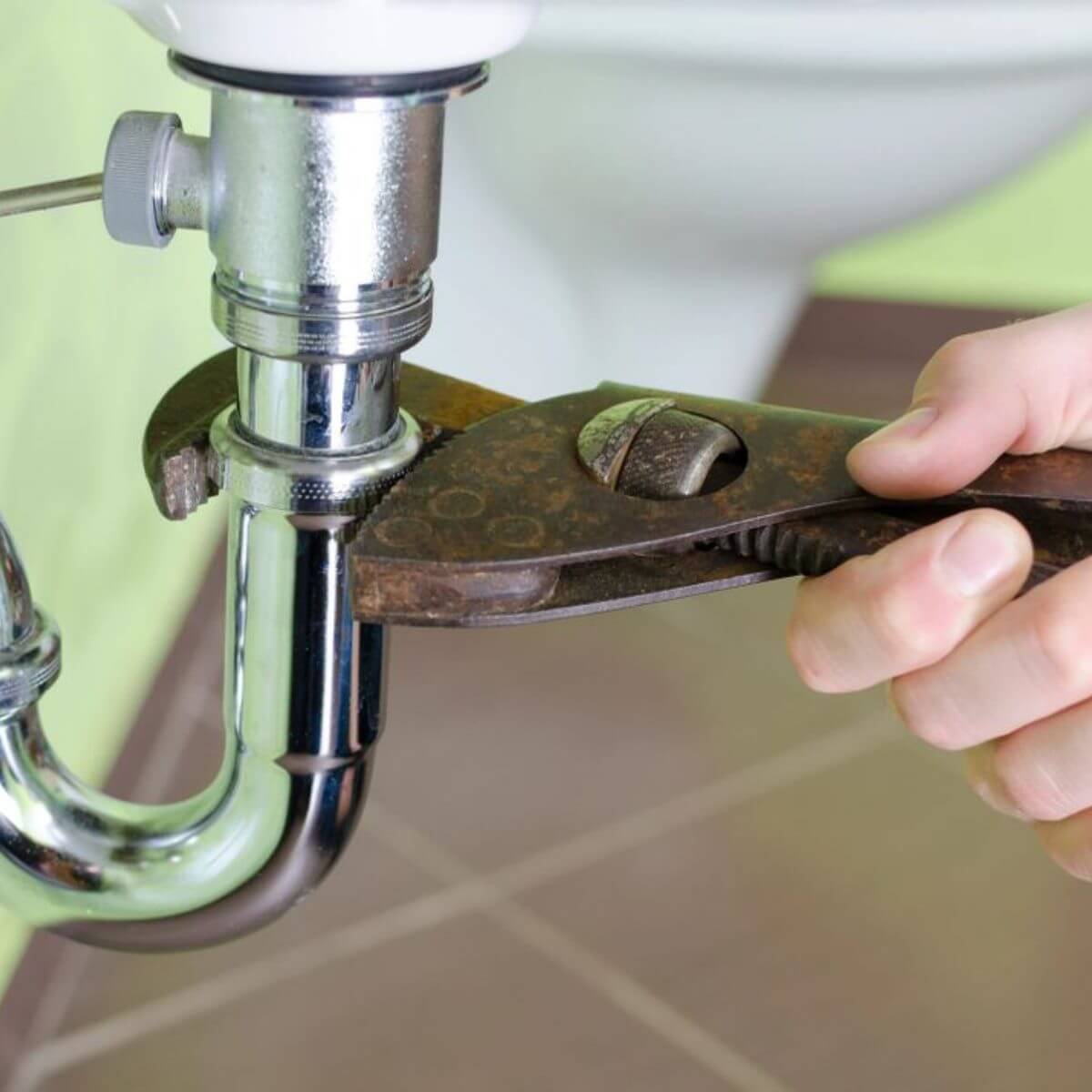
If you are wondering why your drain smells, the most common causes are a dry P-trap, buildup of food or soap residue, bacteria growth, garbage disposal debris, or sewer and venting problems. Drain odors often happen when trapped organic material breaks down or when sewer gases escape into your home through plumbing fixtures.
The good news is that most smelly drains can be fixed with simple drain cleaning and maintenance. However, persistent sewage odors or smells coming from multiple drains may signal a larger plumbing issue that requires a professional plumber.
Why a Smelly Drain Should Never Be Ignored
Drain odors are more than just unpleasant. They can indicate:
-
Bacteria and organic buildup inside pipes
-
Sewer gas entering the home
-
Hidden plumbing leaks or moisture problems
-
Blockages in the main sewer line
Ignoring the smell can lead to:
-
Worsening clogs
-
Water damage under sinks
-
Mold growth
-
Costly sewer repairs
The Most Common Causes of Drain Smells
Below are the most frequent reasons homeowners notice foul odors coming from sinks, showers, tubs, or floor drains.
1. Dry or Empty P-Trap (Most Common Cause)
Every drain has a curved pipe underneath called a P-trap. It holds a small amount of water that blocks sewer gases from coming back up.
If the water evaporates, odors can rise directly into the room.
Common in:
-
Guest bathrooms
-
Basement floor drains
-
Laundry room sinks
-
Unused showers
How to fix it:
-
Run water down the drain for 30 seconds
-
Flush unused toilets weekly
-
Pour a cup of water into floor drains monthly
If the smell disappears afterward, a dry P-trap was the issue.
2. Buildup of Food, Soap, Grease, and Hair
Over time, drains collect organic residue such as:
-
Grease and oil
-
Food particles
-
Soap scum
-
Toothpaste
-
Hair
This material sticks to pipe walls and feeds odor-causing bacteria.
Odor type: sour, rotten, or rancid
Prevention tips:
-
Never pour grease down the sink
-
Use drain strainers in kitchens and showers
-
Flush drains weekly with hot water
3. Garbage Disposal Odors
If your kitchen drain smells like rotting food, the garbage disposal is often to blame. Food debris can get trapped under the rubber splash guard or inside the grinding chamber.
Signs of disposal odor:
-
Smell is strongest right after running water
-
Odor resembles spoiled food, not sewage
Cleaning steps:
-
Turn off the disposal power
-
Scrub under the rubber guard
-
Run ice cubes with dish soap
-
Rinse thoroughly with hot water
4. Bacteria Growth in Bathroom Drains
Bathroom drains provide the perfect environment for bacteria:
-
Warm moisture
-
Soap residue
-
Hair buildup
This can create a musty or mildew-like odor, especially after showering.
Best solutions:
-
Clean shower and sink drains monthly
-
Use enzyme-based drain cleaners
-
Improve bathroom ventilation
5. Sewer Line Problems (Serious Issue)
A strong sewage smell coming from multiple fixtures may indicate a sewer line problem rather than a single drain.
Possible causes include:
-
Cracked sewer pipes
-
Tree root intrusion
-
Main sewer blockages
-
Sewer backups
Warning signs:
-
Odors in several rooms
-
Slow drains throughout the home
-
Gurgling toilets or sinks
-
Wastewater backing up
These situations require immediate professional plumbing help.
6. Plumbing Vent Problems
Plumbing vents release sewer gases safely through the roof. If a vent is blocked, gases can be forced back through drains.
Vent issues may cause:
-
Persistent sewer smells
-
Gurgling drains
-
Slow drainage
Blockages are often caused by:
-
Leaves and debris
-
Animal nests
-
Damaged vent pipes
Because vents are usually on the roof, this is best handled by an experienced plumber.
7. Mold or Mildew Around the Drain
Sometimes the smell is not inside the pipe at all. Moisture leaks under sinks or around fixtures can lead to mold growth.
Odor type: earthy, damp, musty
What to check:
-
Discoloration around drain openings
-
Soft or warped cabinet wood
-
Musty smell under the sink
Fixing leaks early prevents mold and odor spread.
Quick Chart: Drain Smell Causes and Solutions
| Smell Type | Most Likely Cause | Best Fix |
|---|---|---|
| Sewage odor | Dry P-trap or sewer line issue | Run water or call plumber |
| Rotten food smell | Garbage disposal buildup | Deep clean disposal |
| Sour or rancid smell | Grease and organic pipe buildup | Hot water flush and cleaning |
| Musty mildew smell | Bacteria or mold growth | Enzyme cleaner and ventilation |
| Odor from multiple drains | Sewer or venting problem | Professional inspection |
DIY Drain Odor Solutions That Actually Work
For mild drain smells, homeowners can safely try:
-
Pour boiling water down the drain weekly
-
Use baking soda + vinegar, then rinse with hot water
-
Clean stoppers, drain covers, and overflow openings
-
Keep hair and debris out with strainers
Avoid harsh chemical drain cleaners, as they can damage pipes and do not fix deeper problems.
When Drain Smells Mean You Should Call a Plumber
Some odors signal a bigger plumbing issue.
Call a plumber immediately if you notice:
-
Strong sewage smells that do not go away
-
Odors from multiple drains at once
-
Slow drainage and gurgling noises
-
Water backups in sinks or tubs
-
Signs of leaks or water damage
A licensed plumber can inspect the full system and prevent expensive repairs.
How Professional Plumbers Eliminate Drain Odors Permanently
Professional plumbing services go beyond surface cleaning. A plumber may:
-
Inspect P-traps and venting
-
Clear drain lines with professional equipment
-
Check sewer connections and main line health
-
Repair cracked pipes or leaks
-
Replace worn components
This ensures odors do not return.
Emergency Plumbing Situations and Drain Odors
Sudden, severe drain odors combined with flooding or backups may indicate an emergency such as:
-
Sewer backup
-
Burst pipe
-
Major blockage
-
Failing water heater
In Woodbridge, VA and surrounding areas, emergency plumbing service is essential to prevent damage and restore safety quickly.
Keeping Your Drains Fresh Long Term
Preventing drain smells is easier than fixing them later.
Long-term drain care tips:
-
Run water in unused drains monthly
-
Avoid grease, food scraps, and hair buildup
-
Address slow drains early
-
Schedule routine plumbing inspections
-
Watch for moisture under sinks
When to Call Kinnett Plumbing in Woodbridge, VA
If you have been asking why does my drain smell, the cause may range from a simple dry P-trap to a serious sewer or venting issue. While some odors can be solved at home, persistent smells require professional expertise.
If you are in Woodbridge, VA or nearby and need help with drain odors, clogs, or emergency plumbing repairs, Kinnett Plumbing is ready to help with fast, reliable service and honest pricing.
Do not wait for a small smell to become a major plumbing problem. Contact Kinnett Plumbing today to keep your home clean, safe, and odor-free.



 Jennifer Bishop